
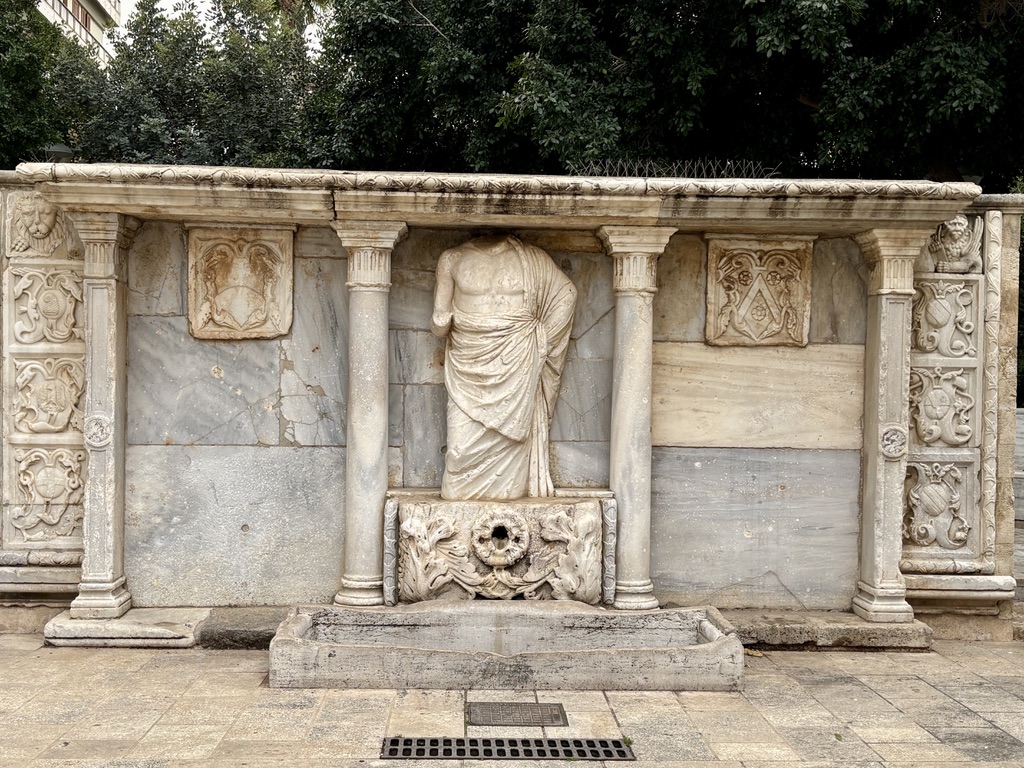
RETHYMNO
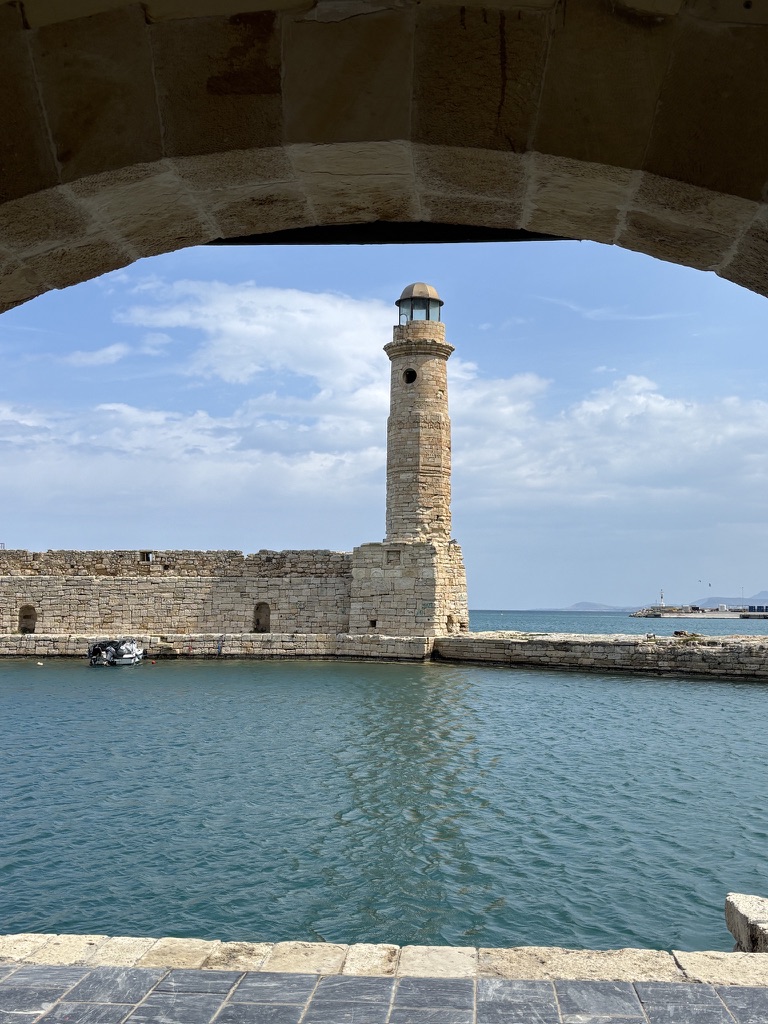
Manolis drove me safely down the mountain, out of the snow and into the sunshine, on a day when massive waves were crashing over the breakwater along the Rethymno seafront. He was kind enough to carry my bags into the Old Town (where once again no cars are allowed) and make sure I was deposited safely at my next B&B.
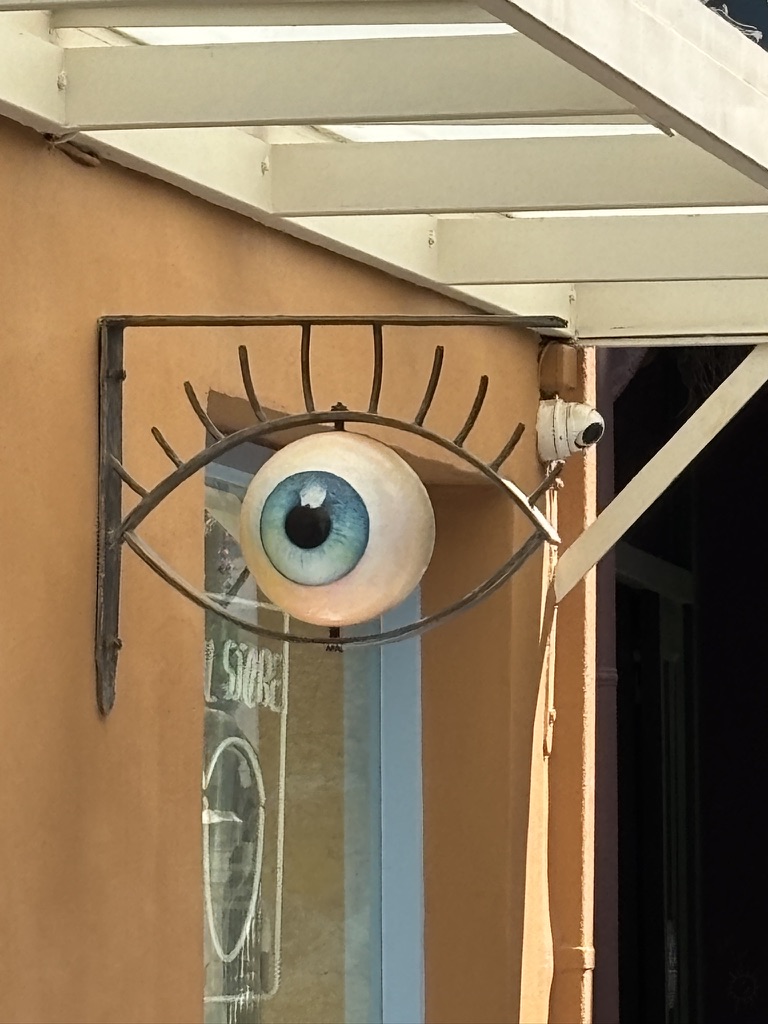
For the next few days, I was the only guest at the Othonas Concept Suites, in the really beautiful town of Rethymno.
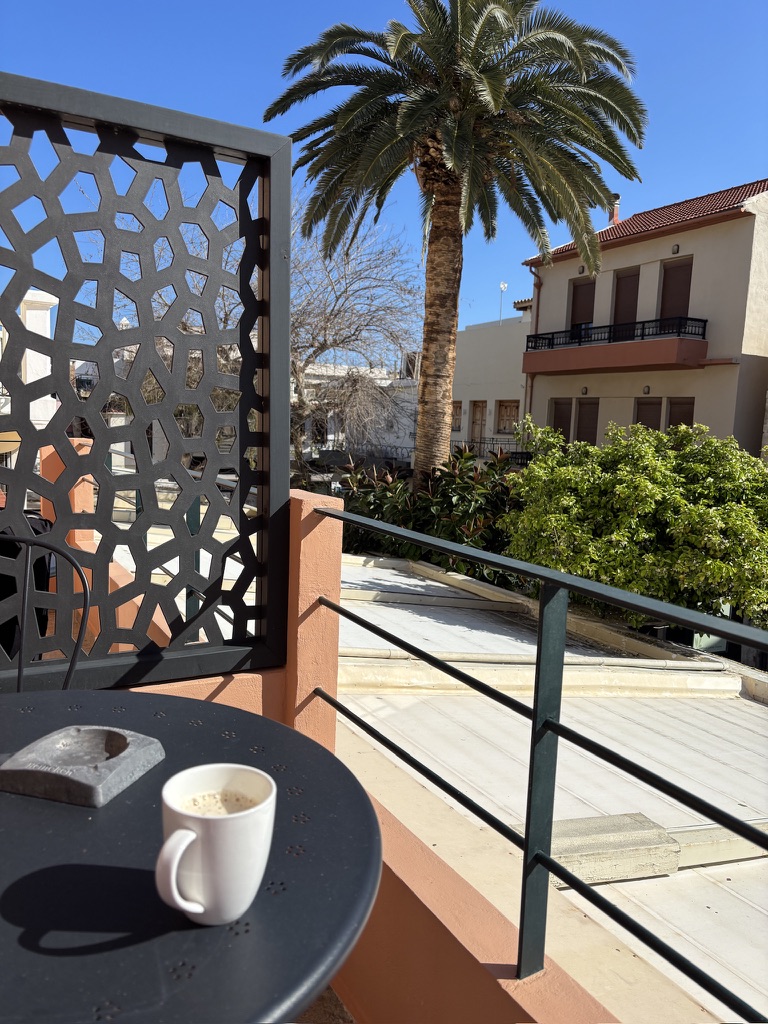
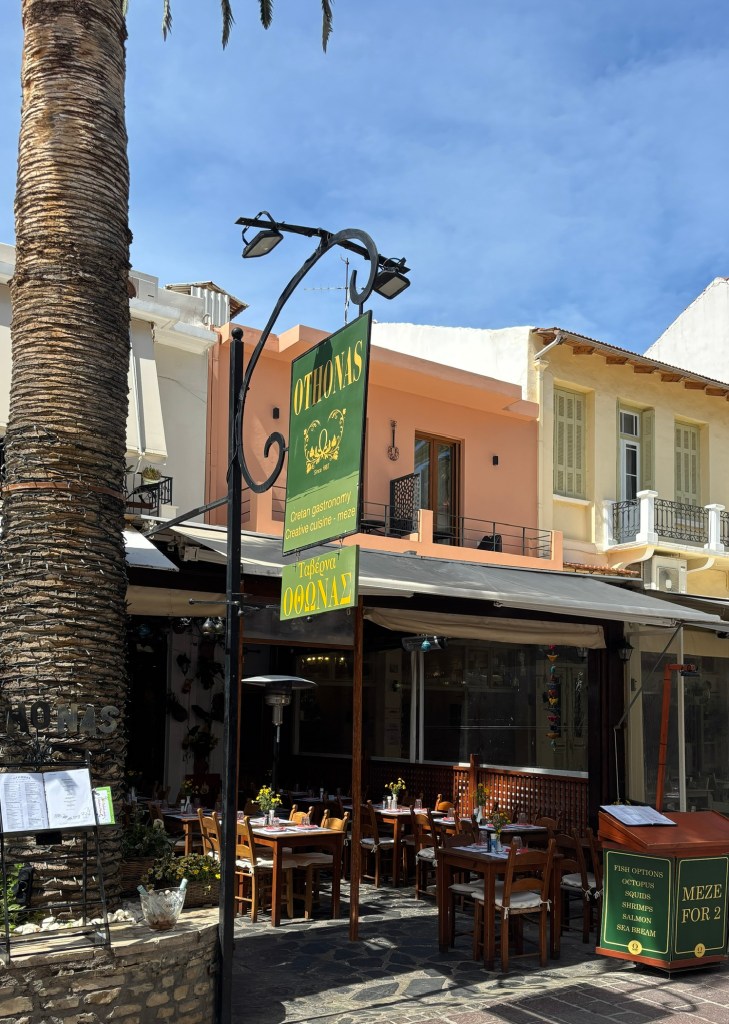
I had a balcony to sit and sip, enjoy the sunshine, and watch the tourists walk by. I had only to go downstairs and would walk directly into the restaurant, Othonas, to enjoy a delicious Greek meal.
The daughter of the owner had come up with the idea of adding 3 suites above the restaurant to host guests visiting this beautiful city. Smart kid! I met her father and learned the restaurant had been in the family for generations, and not only did he and his wife run it, but he was also an elected representative for Rethymno in the Greek parliament.
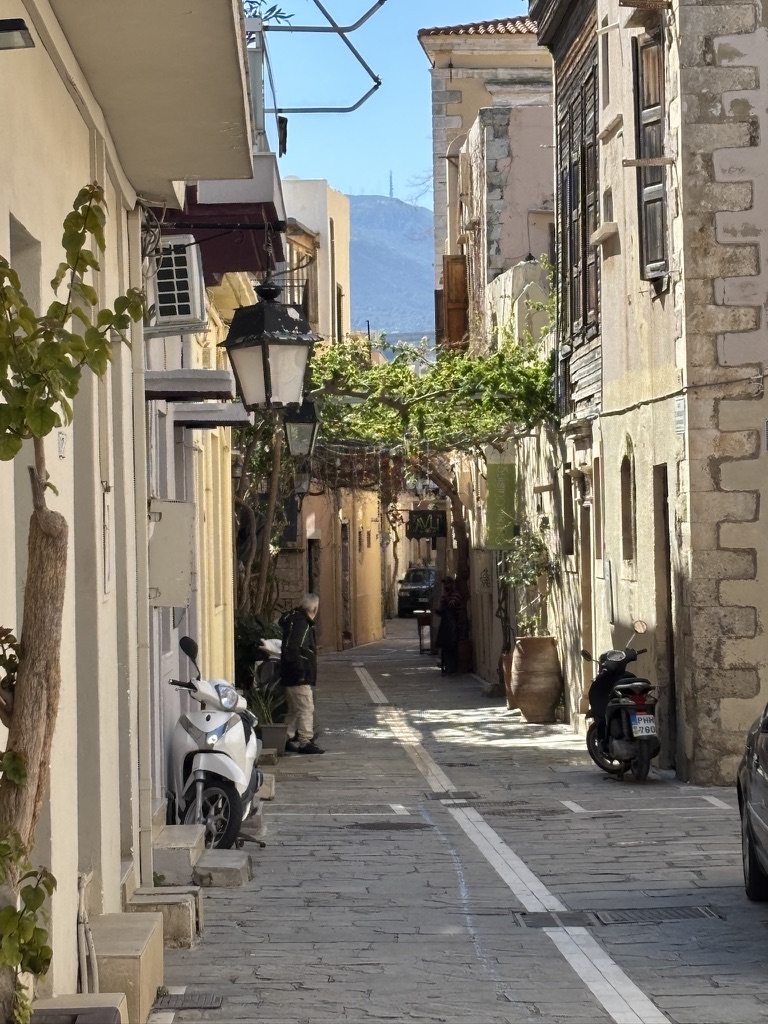
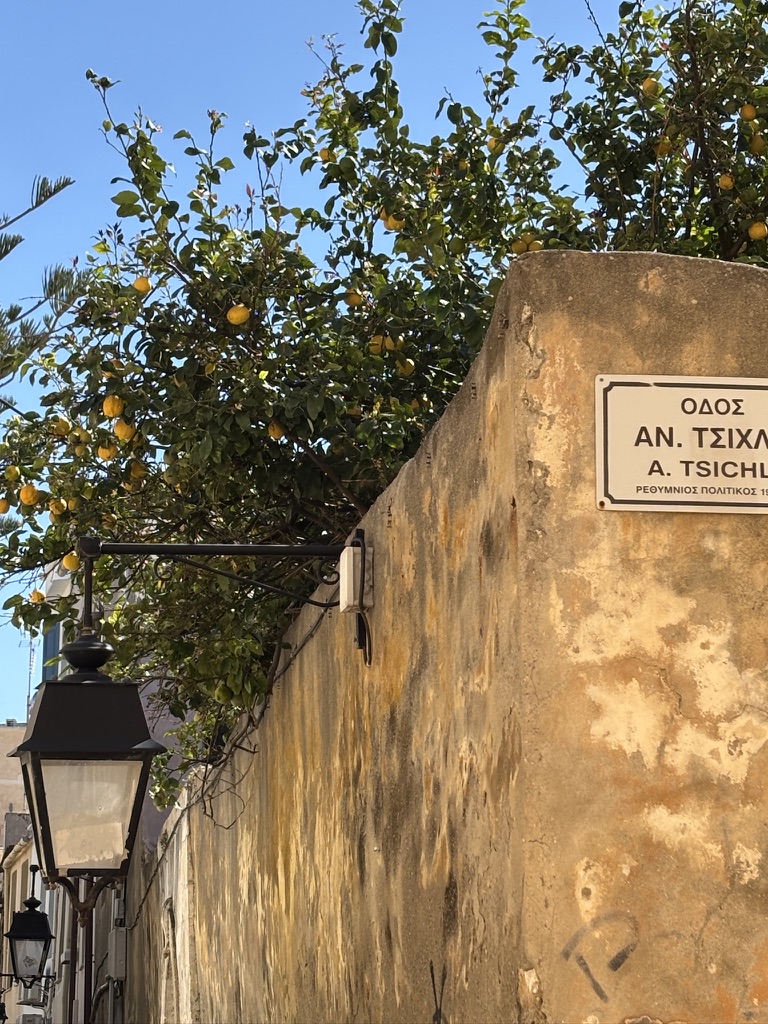
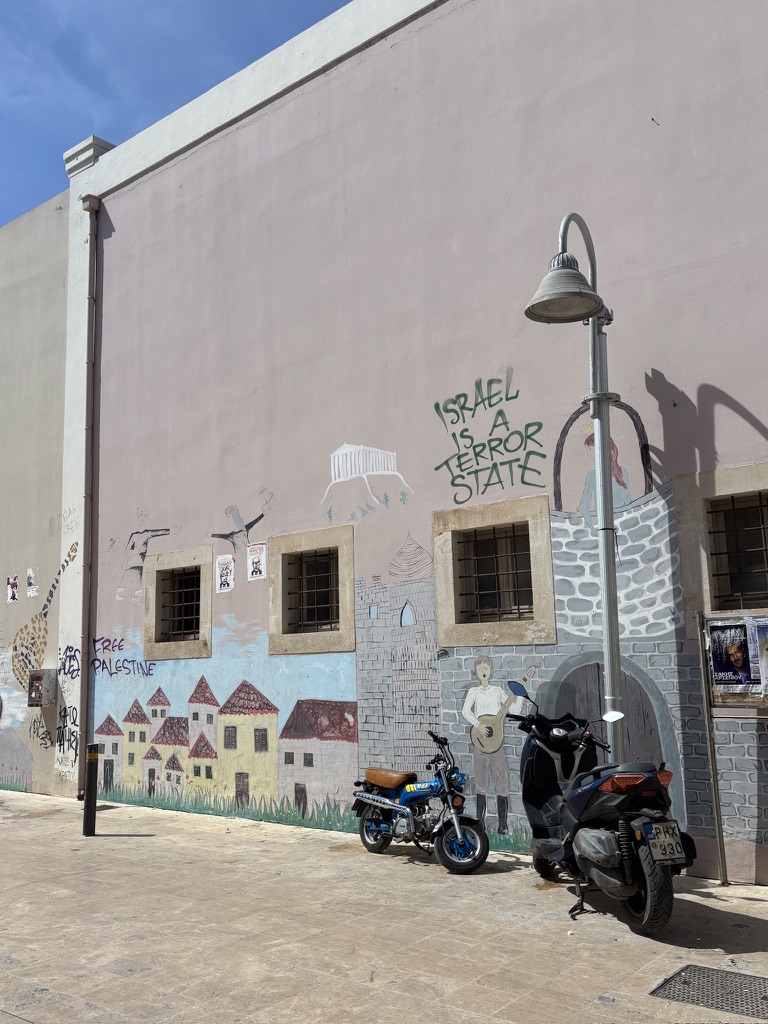
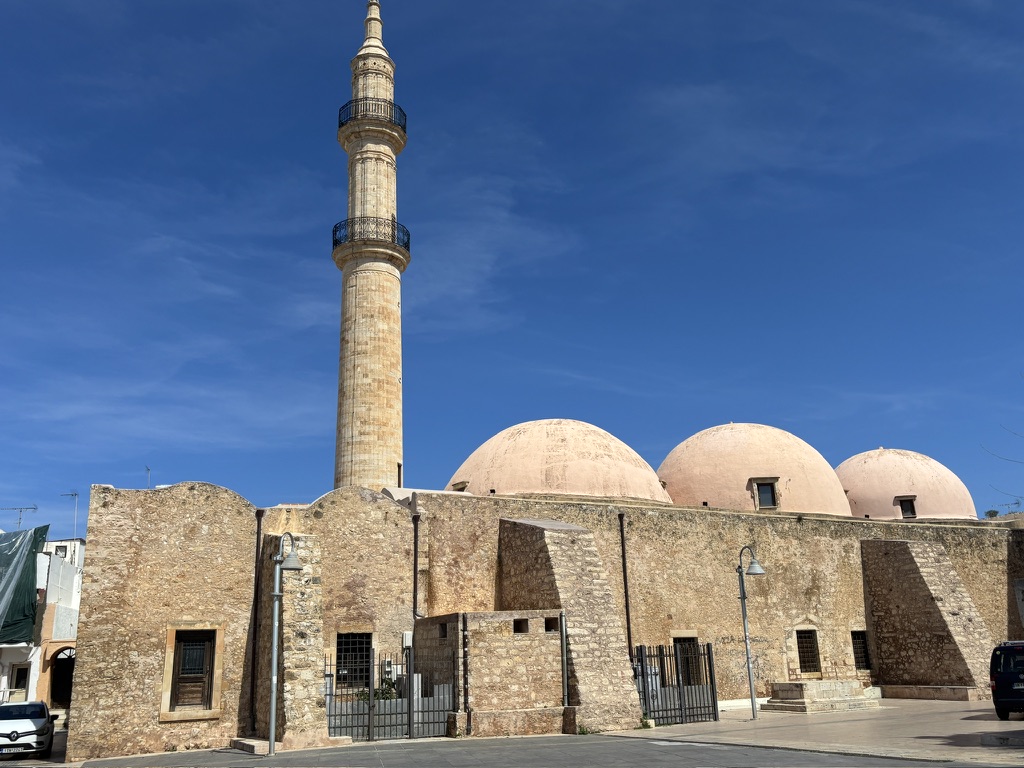
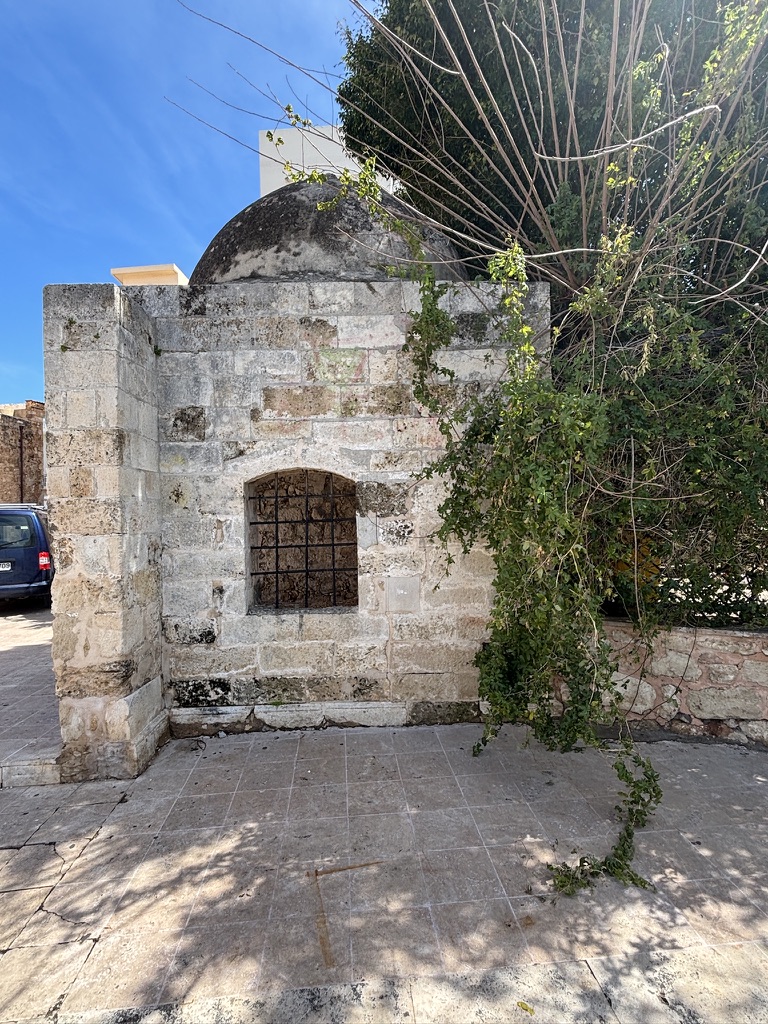
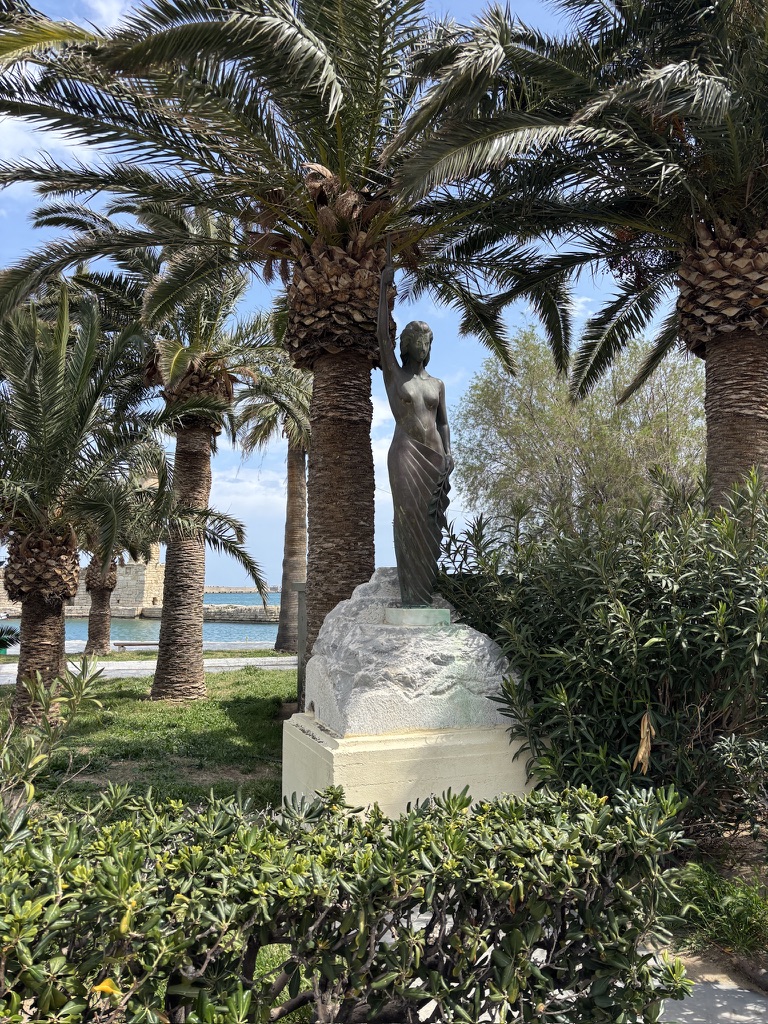
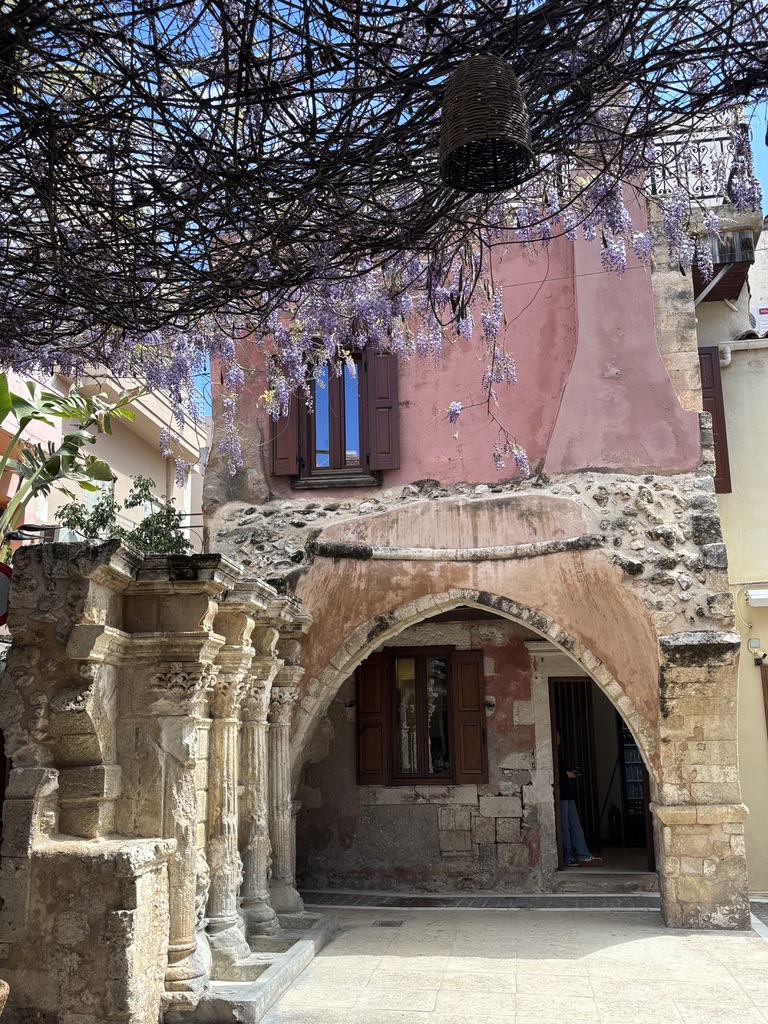
The location was great. Old Town Rethymno is small and very walkable. I wandered the winding streets, walked along the seafront, enjoyed some delicious food, found a very nice man who fixed my broken watchband, and took advantage of one of the newer, all-inclusive (soap & softener included), speedy-wash n’ dry laundromats that are springing up all over.
It’s the prettiest town on the island of Crete, but because I was there pre-Easter, many places were still closed or being painted and spruced up for the season. No tours were available, so it was a quiet time to just relax.
HERAKLION
My tour of Crete concluded in Heraklion. I traveled via KTEL, the Greek bus line that was wonderful to access on Crete, terrible in other places, and has a website that makes you want to throw your computer through a window after hours of trying to buy a ticket online. From the bus station, I found a nice taxi driver who dropped me as close as possible to my B&B, The Central Boutique Apartments. (old town/no cars). I had a corner room on the 4th floor with a great view of the city.
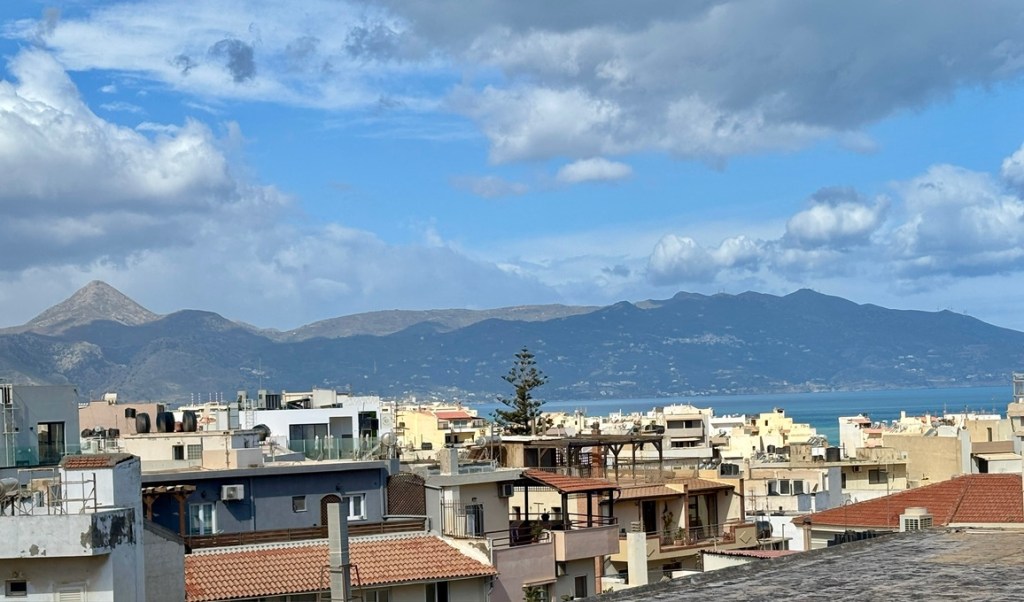
FYI, I include links for every city I visit. If there is a line under the name of city, when you click on it, it will take you to a page filled with information. For example, Heraklion has been in existence since 7000BCE. It was a large and very progressive Minoan civilization during the Bronze Age, which was conquered many times throughout its existence, was even washed away by a tsunami, rebuilt, and as of 1971, has been the capital city of Crete. Take a moment to click on a link. You will learn so much about Greece, its islands, and its glorious civilizations.
I took an all-day tour while in Heraklion to see the Palace of Knossos & the Lasithi Plateau. I had the tour and the guide all to myself, which was a treat. The day before, the van would have been packed with 10 people. Today I got to sit up front and ask all the questions I wanted.
Our first stop as we drove up into the mountains past what will soon be the new Heraklion airport (the largest on Crete), was at a local olive oil producer. It was interesting to see the very old pieces of equipment they had used for 100s of years to produce olive oil standing next to the new, automated, stainless-steel equipment they use today. But the harvesting of the olives by each individual farmer, who is paid by the weight of the oil his olives produce, has not changed.
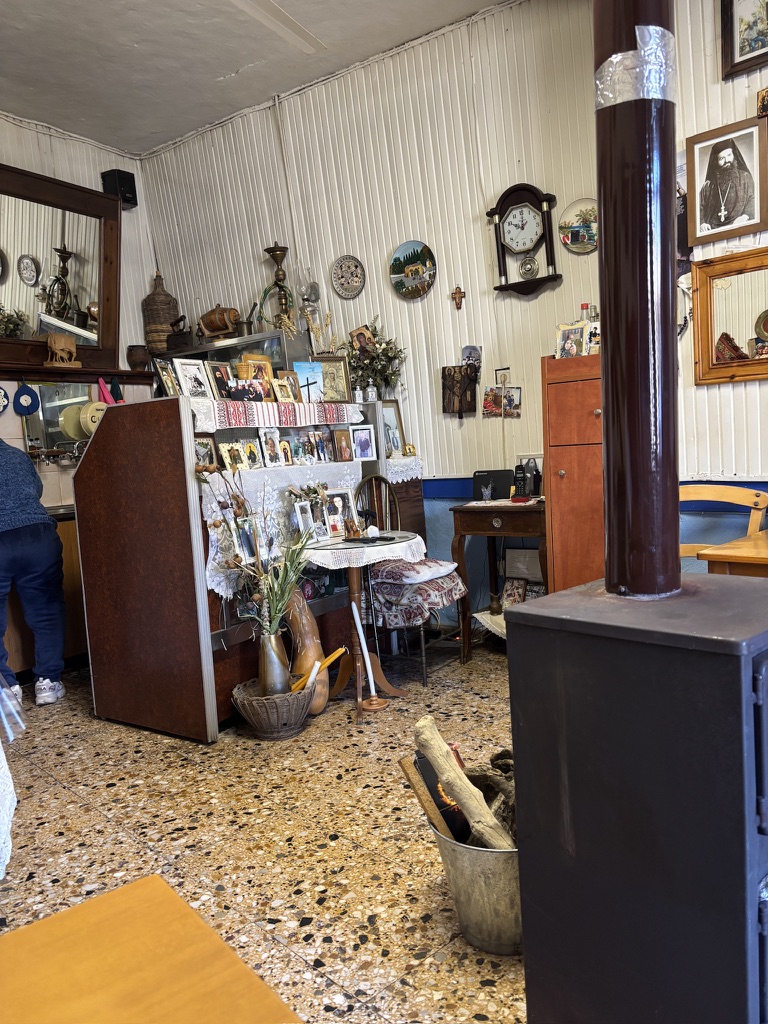
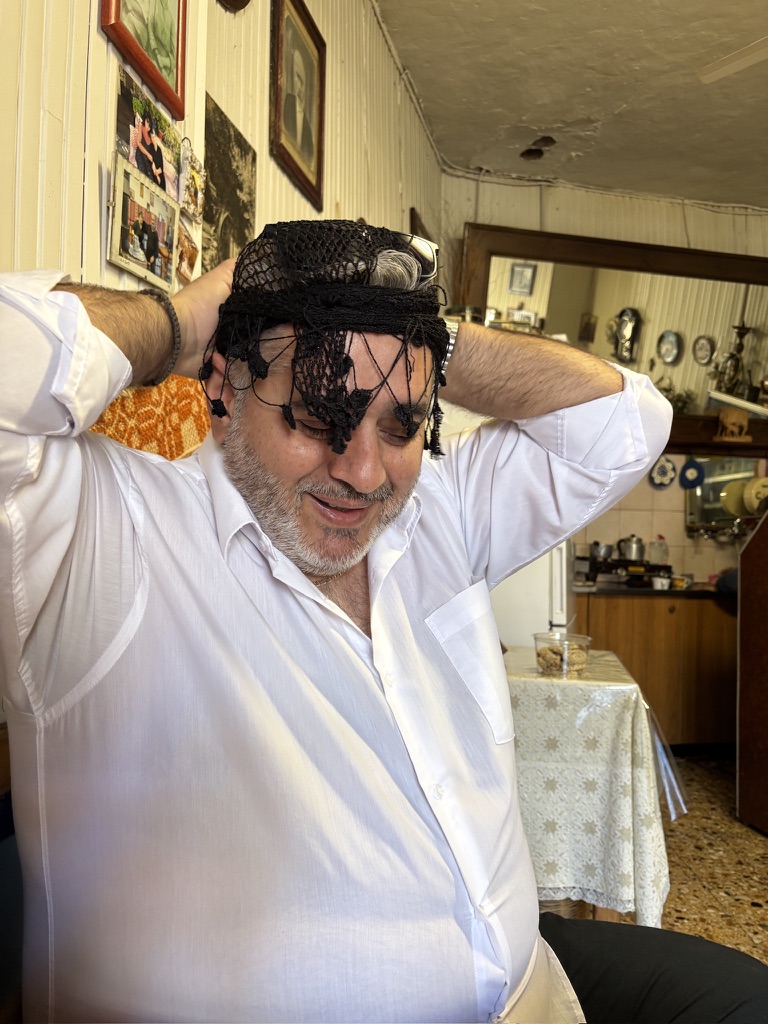
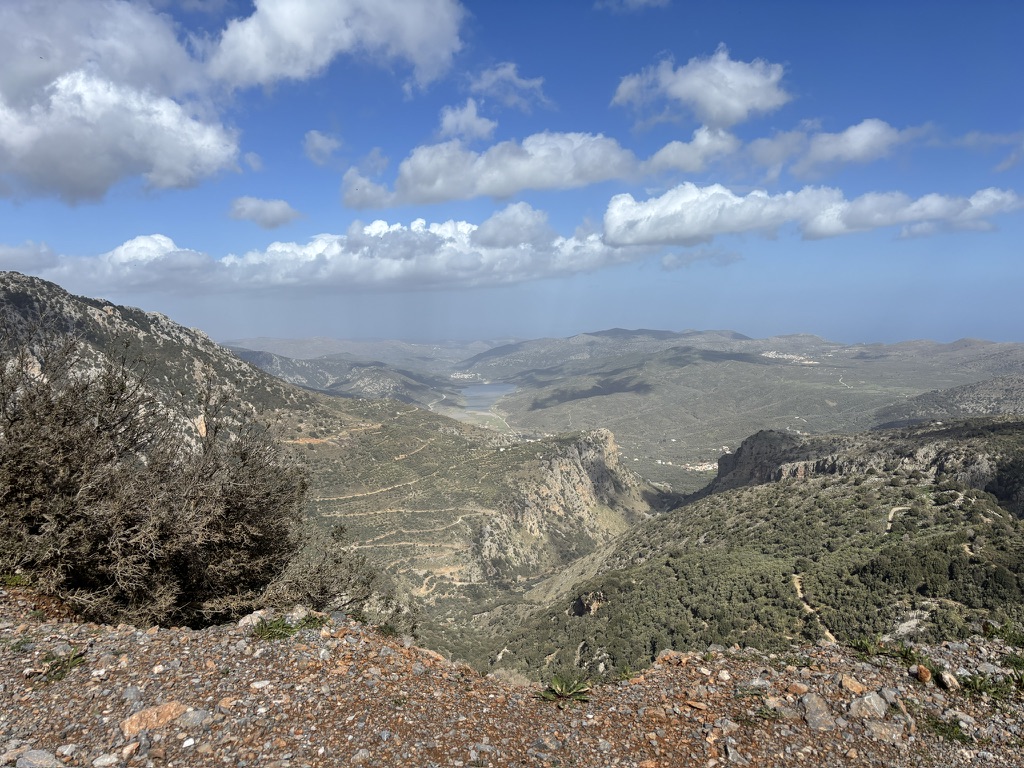
The higher we went, the more beautiful the view became. We stopped at a tinie-tiny village coffee shop for real Greek coffee, and I got a lesson on the traditional headpiece the men still wear during formal and festive occasions. This little village was also home to one of the oldest trees still standing in Crete. Water from the mountains still flows into the public baths used by the villagers to do their laundry. It wasn’t until after WWII that electrcity became available in the mountains, and washing machines started to appear. (Fact: Crete was occupied by the Nazis, and those who could, fled the cities for the mountain villages where the Resistance was in full force.)
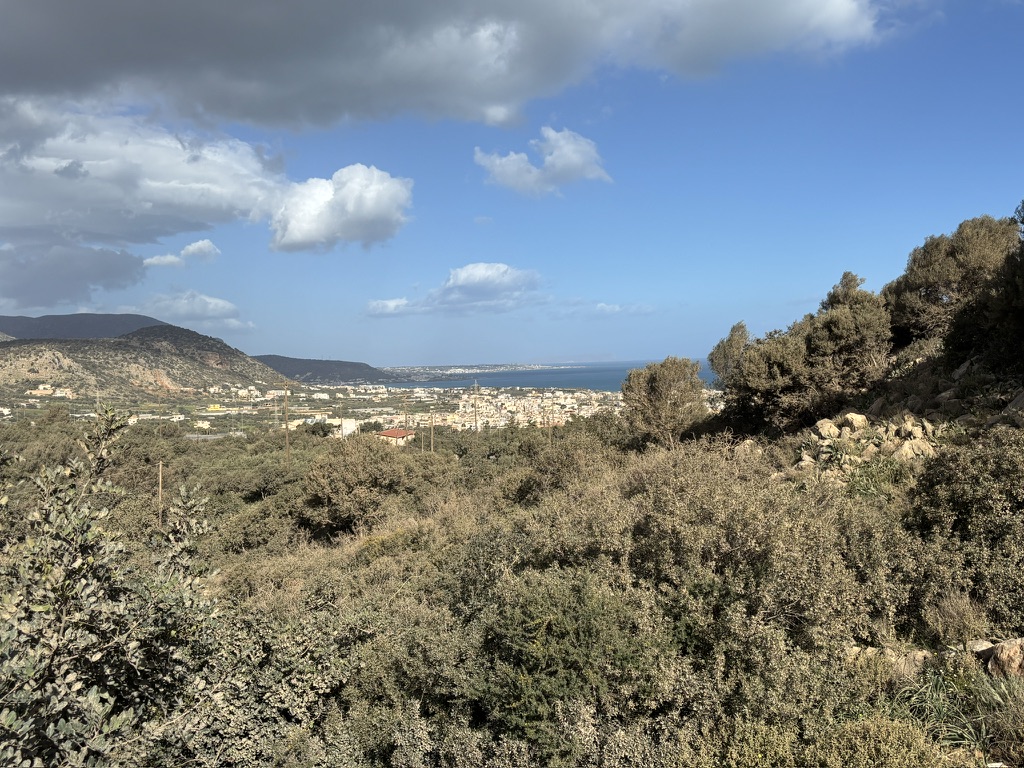
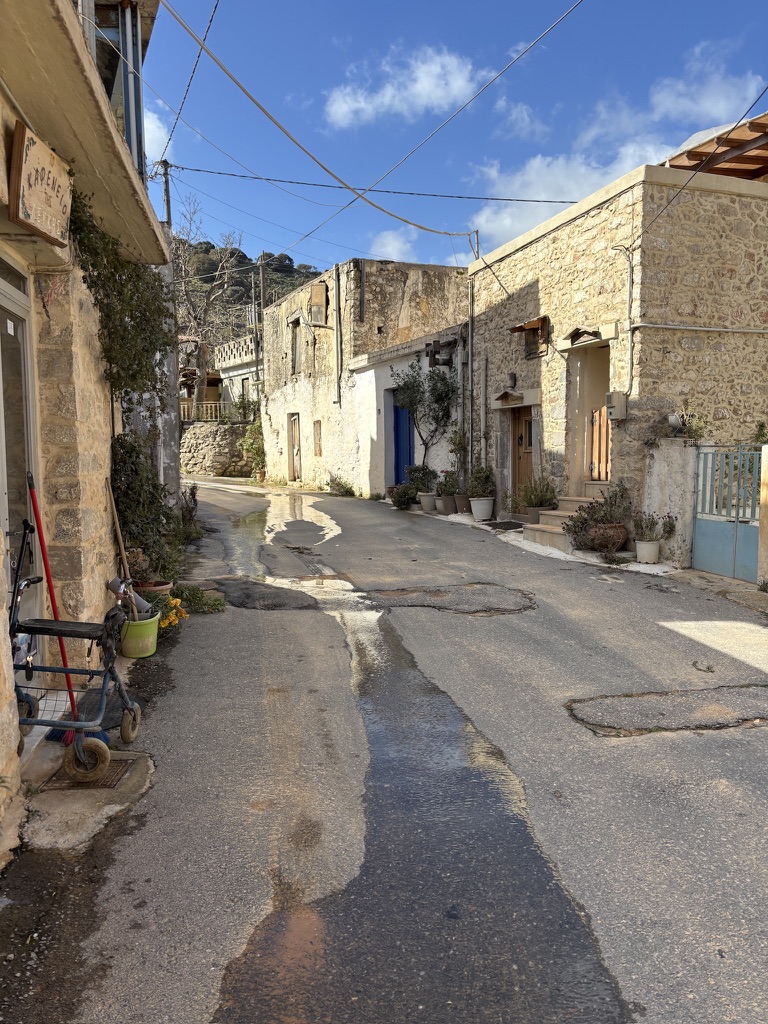
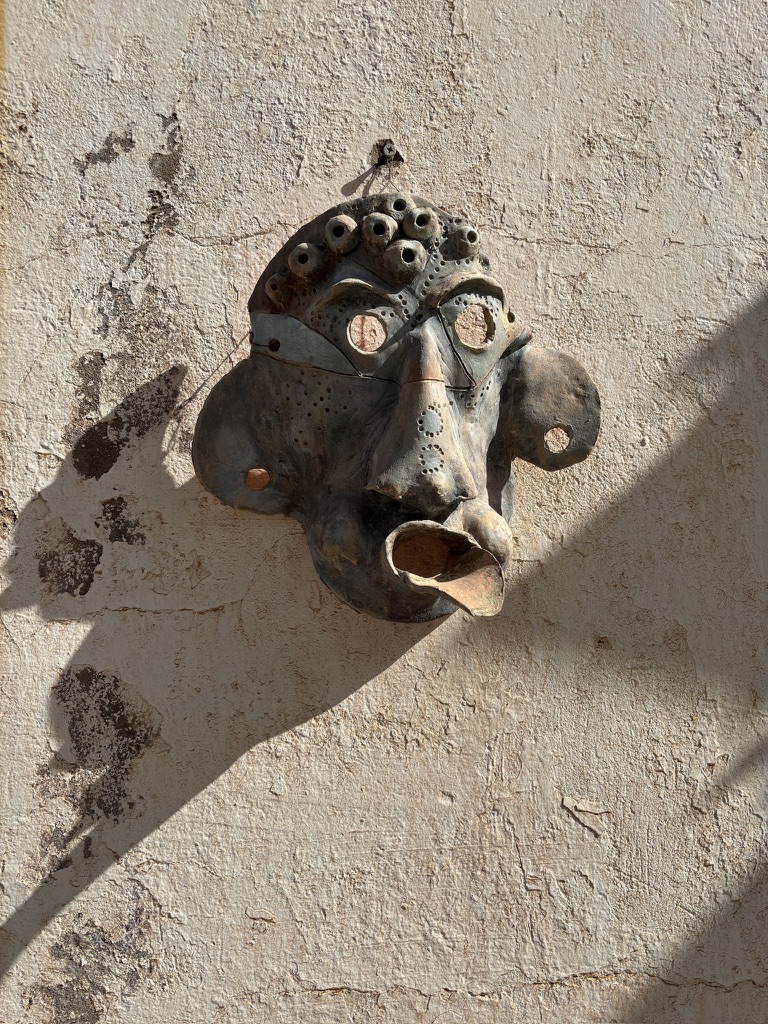
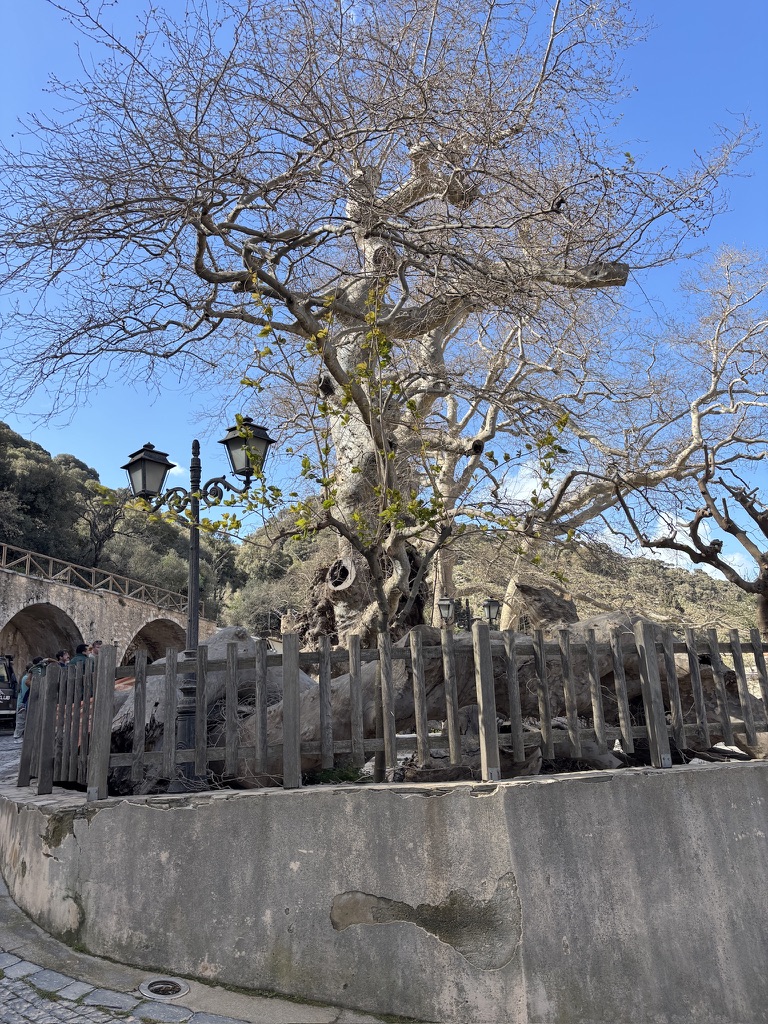
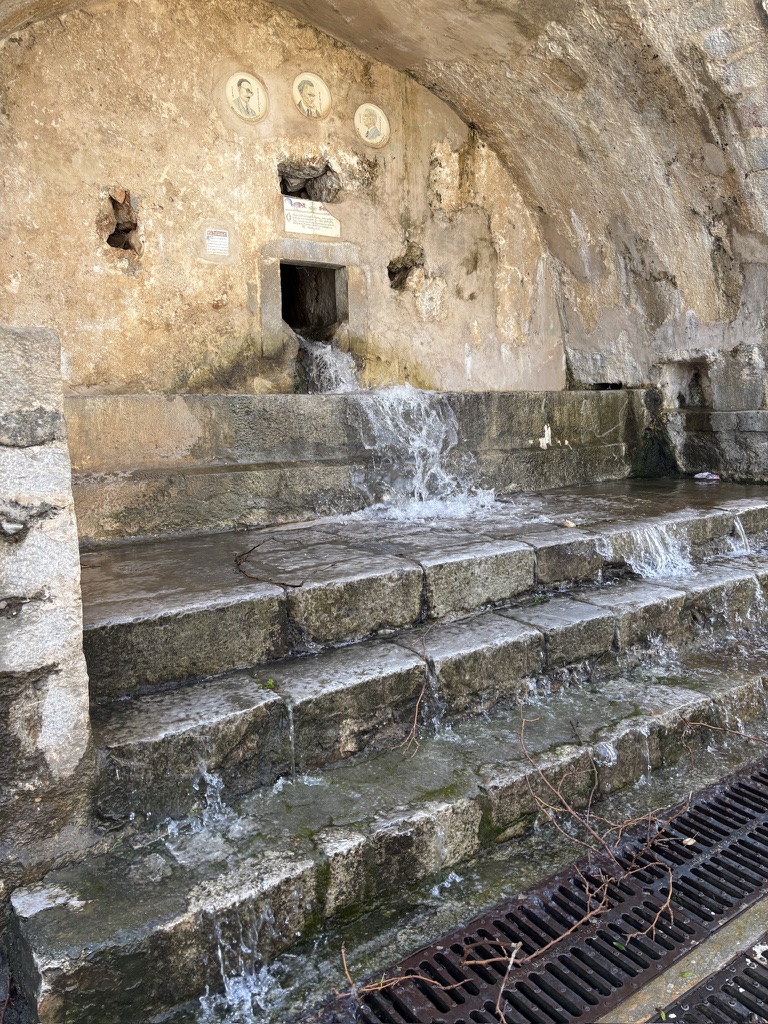
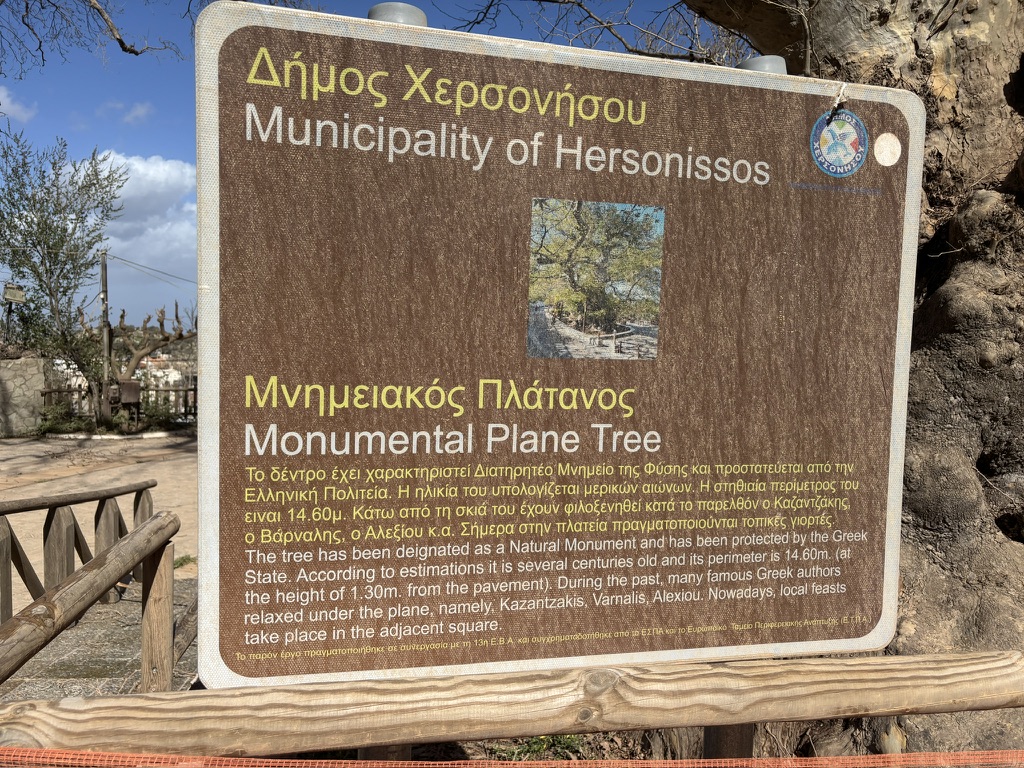
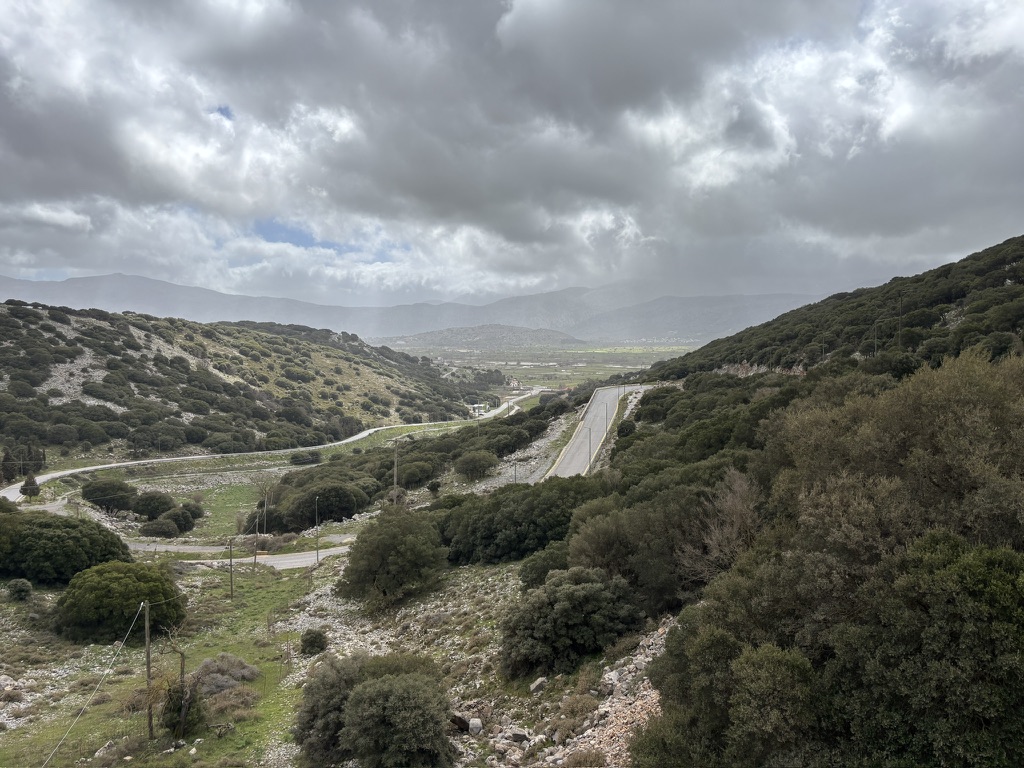
The Lasthi Plateau is an amazing site to see. It’s not a caldera, as you would think, since it is surrounded by mountains, but a geographical wonder that has been inhabited since 6000BC.
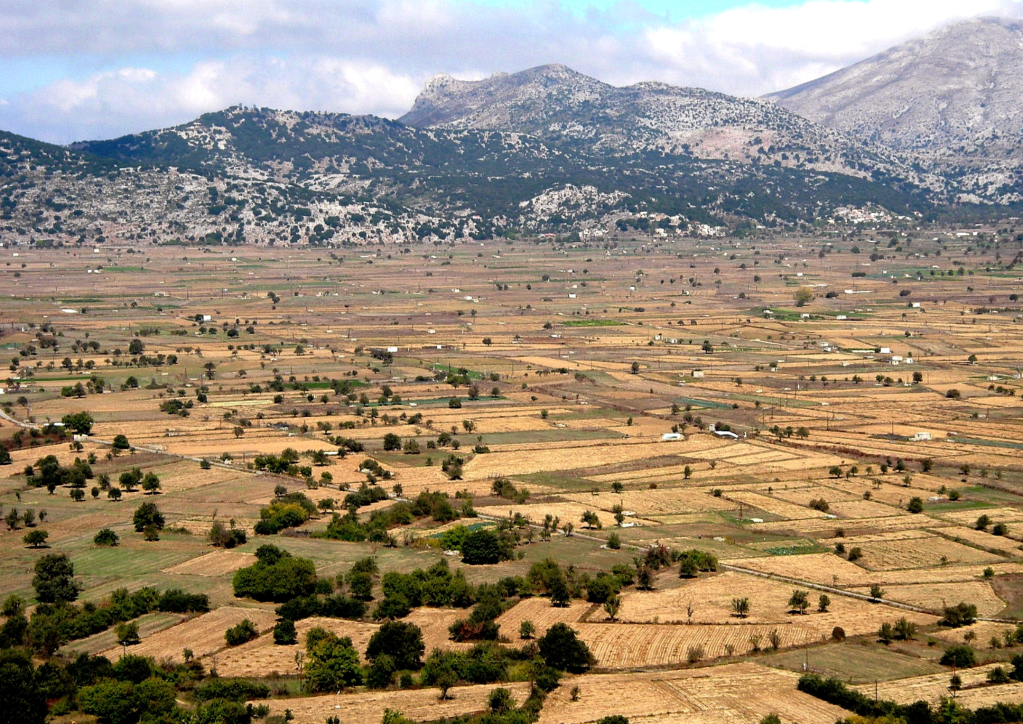
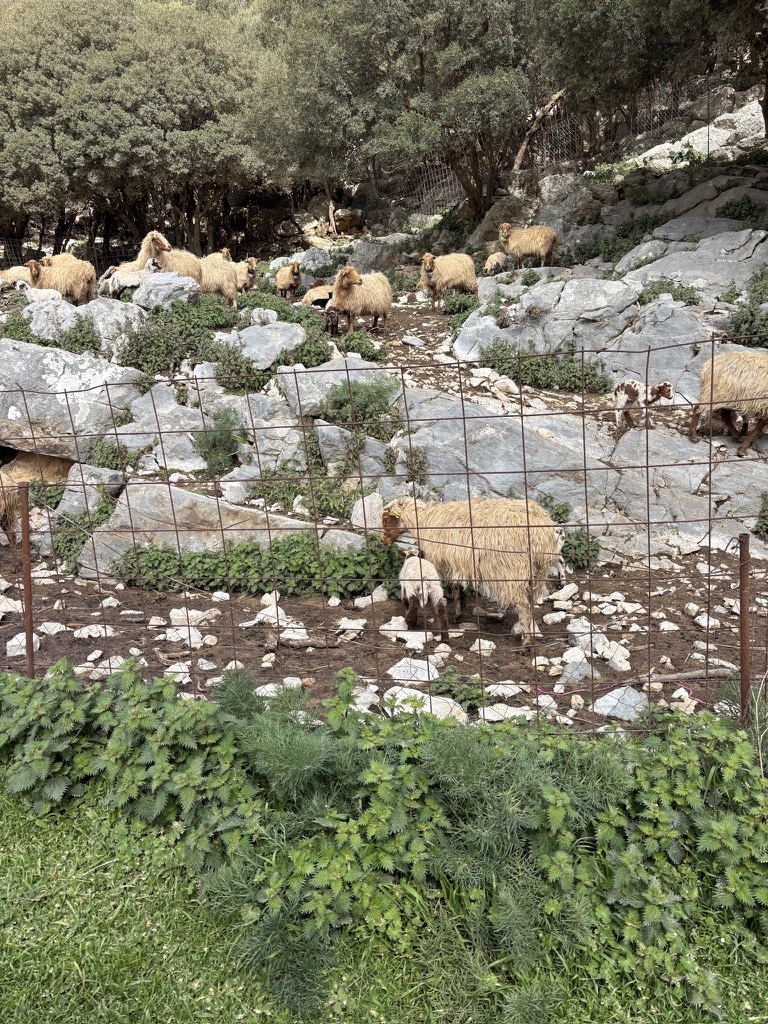
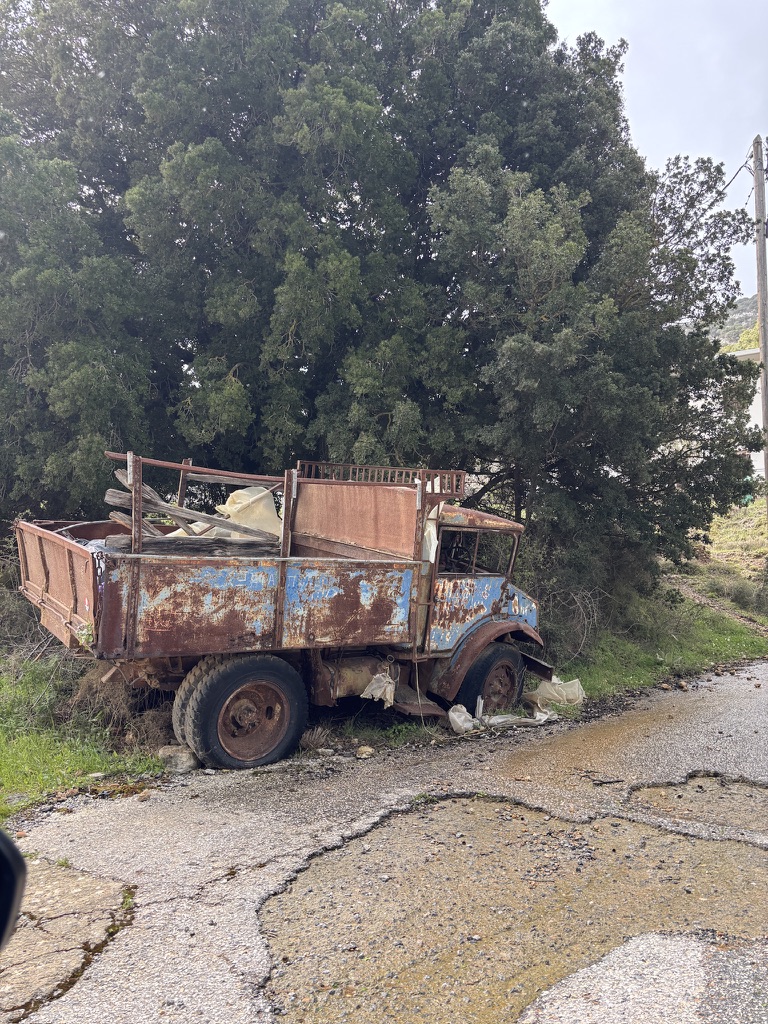
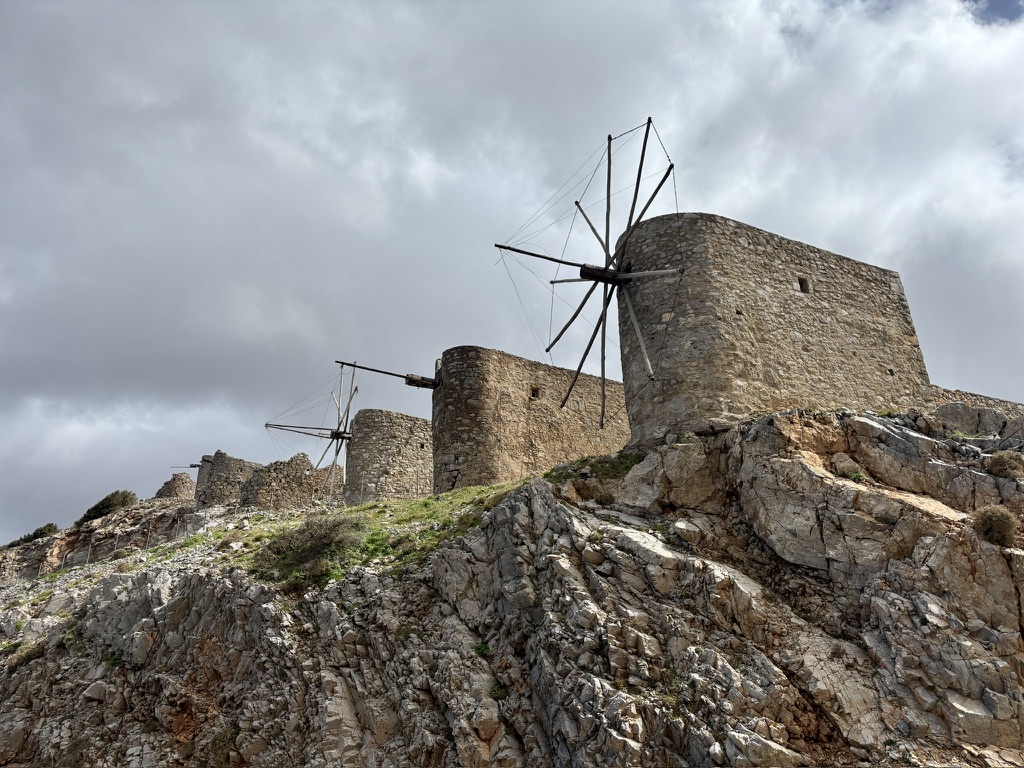
It is a perfect, flat area for farming and raising sheep. It’s famous for its white-sailed windmills and being the birthplace of Zeus. We even saw a rusted-out truck left over from WWII.
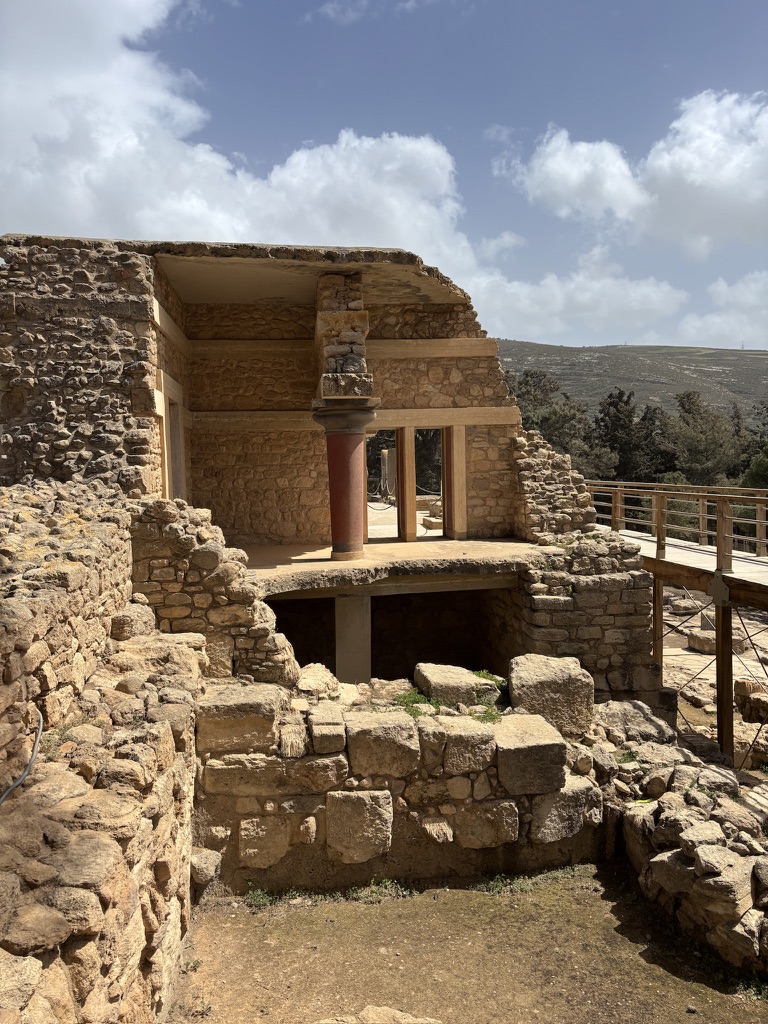
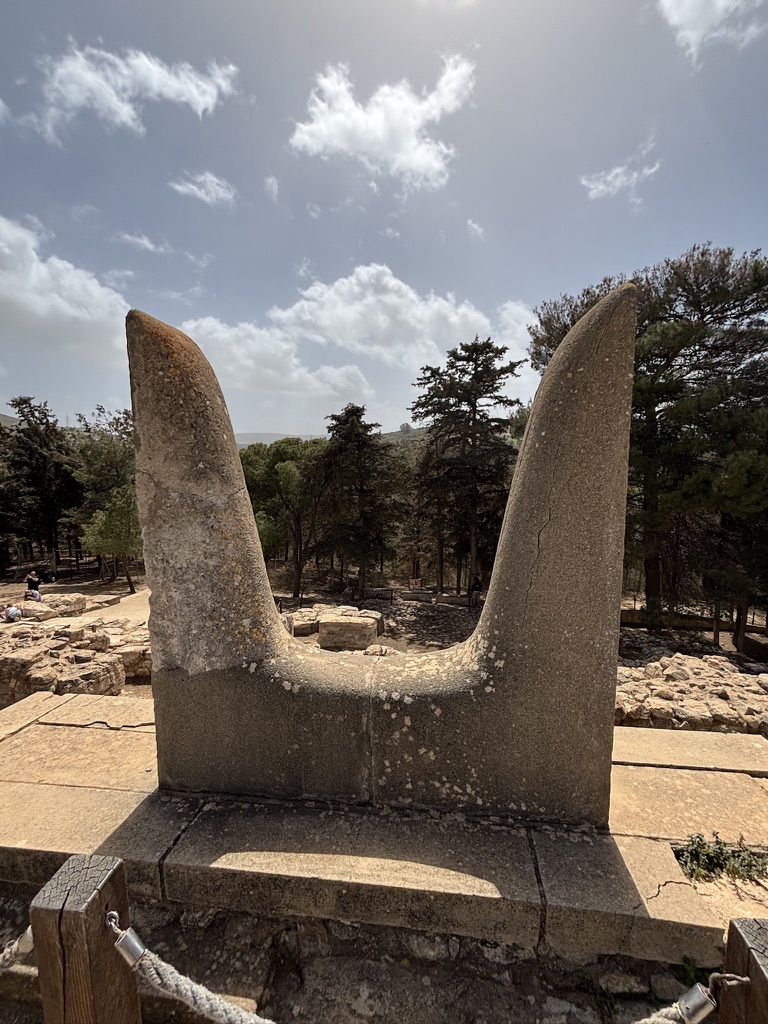
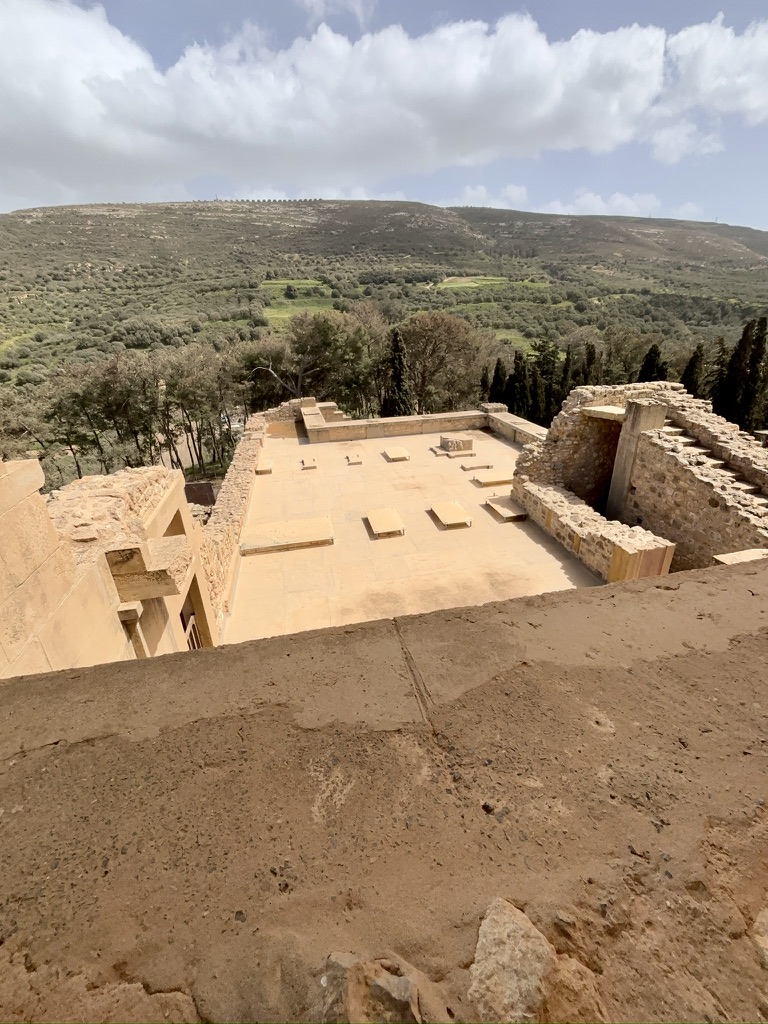
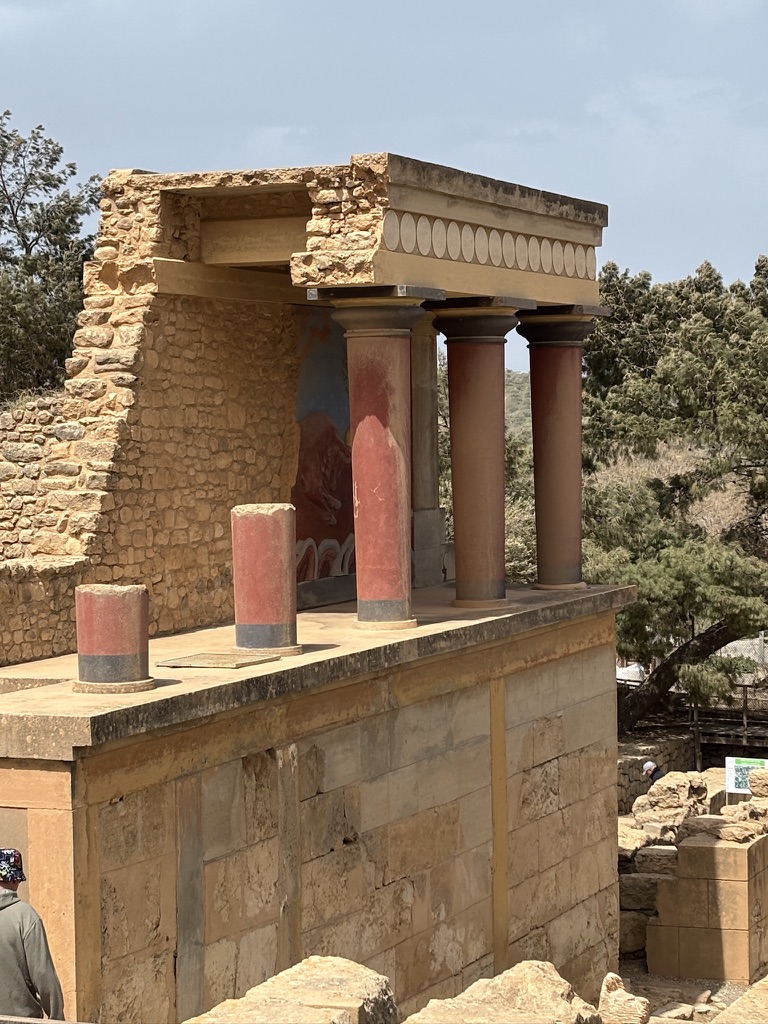
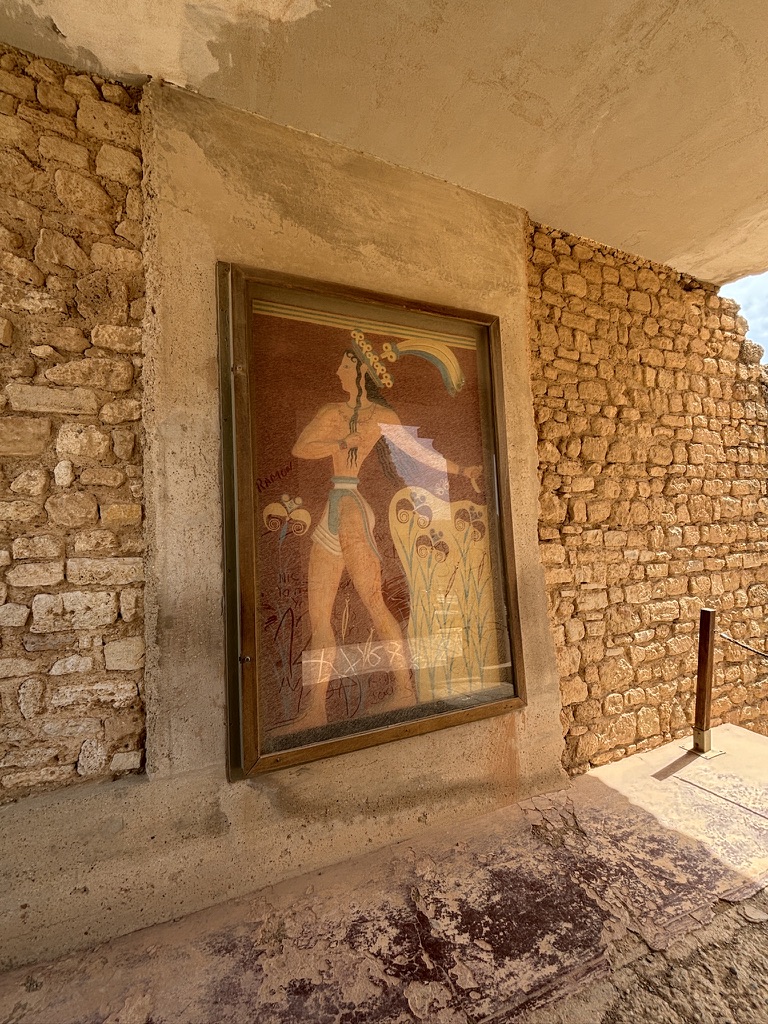
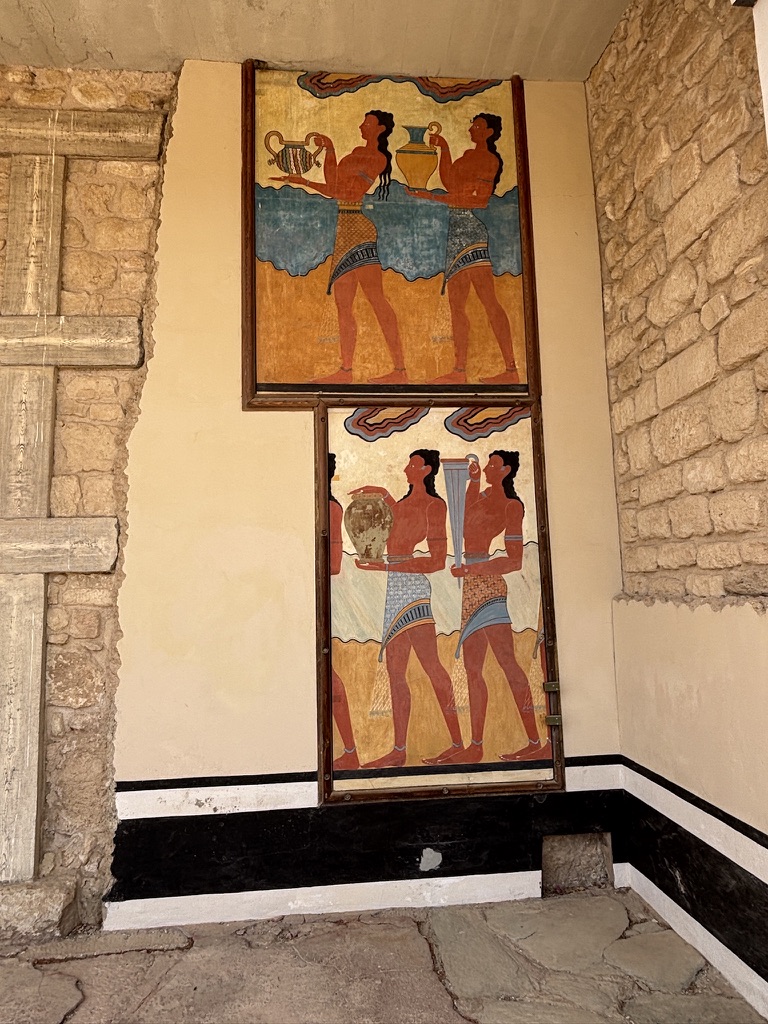
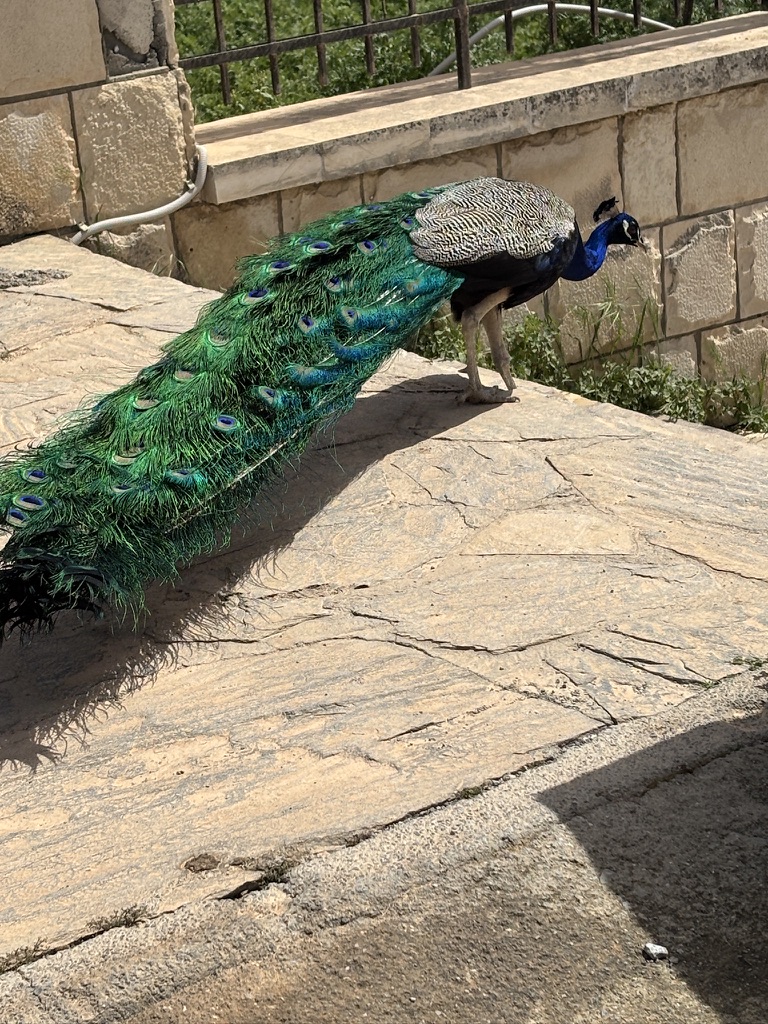
Our last stop was the Palace of Knossos. The link will take you to a wonderful video about the Palace. This ancient civilization was a female/priestess-led society. The video shows the destruction from the Santorini volcano eruption, and subsequent massive tsunami, and capture and future control by invaders from the mainland. Peacocks have always lived on the grounds of Knossos, and even today, they are everywhere. The one pictured walked alongside me as I returned to the van after touring the Palace.
One of the scariest moments I have had since arriving on Crete happened the day after this tour. The weather had been sunny and pleasant. I had spent the morning walking through the Old Town, and as has become my custom, after lunch I took a short nap. The sky was bright blue when I closed my eyes. Thirty minutes later, when I awoke, the wind was howling, and this was the view from my windows!
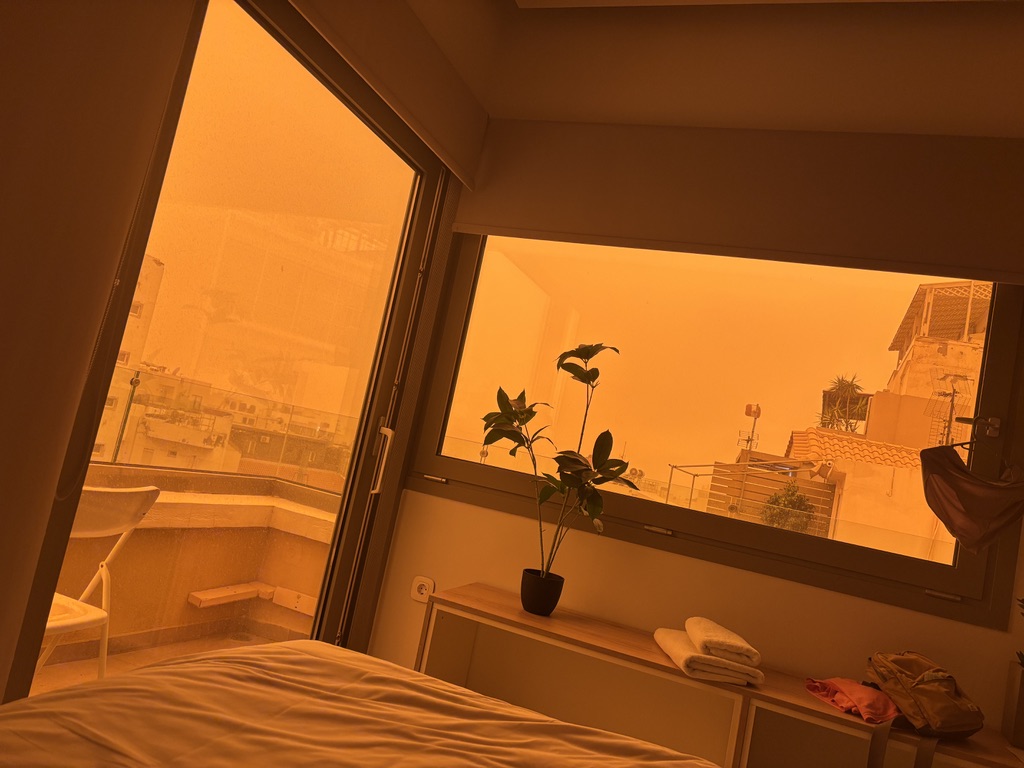
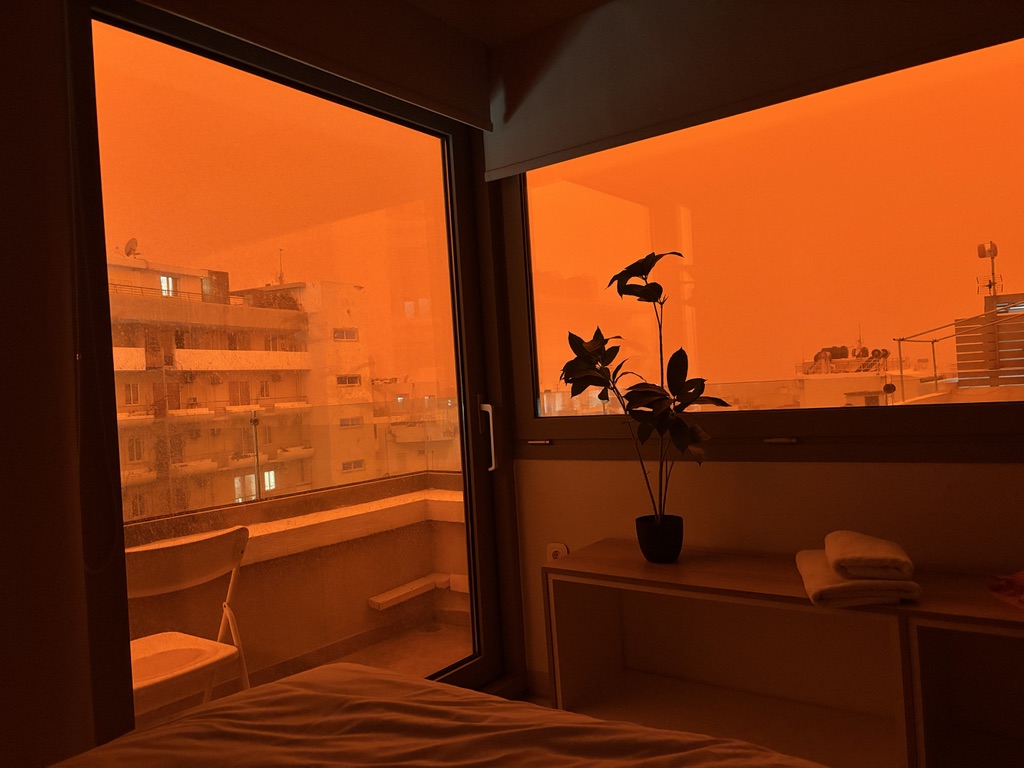
I thought I was in a horror movie! As you can see, the sky went from orange to almost a blood red. I turned to trusty Google to find out what was happening and learned I, and the entire island of Crete, were caught in the middle of a Saharan dust storm.
Africa is right below Crete, and these storms are is not an unusual occurrence. But if you don’t know what it is, and all of a sudden your world is orange, it is terribly disorienting and weird! Because it was also raining like crazy, the red dust turned to a red mud that covered everything. The windows, the cars, the streets. Everyone was out power-washing everything for days after this event.
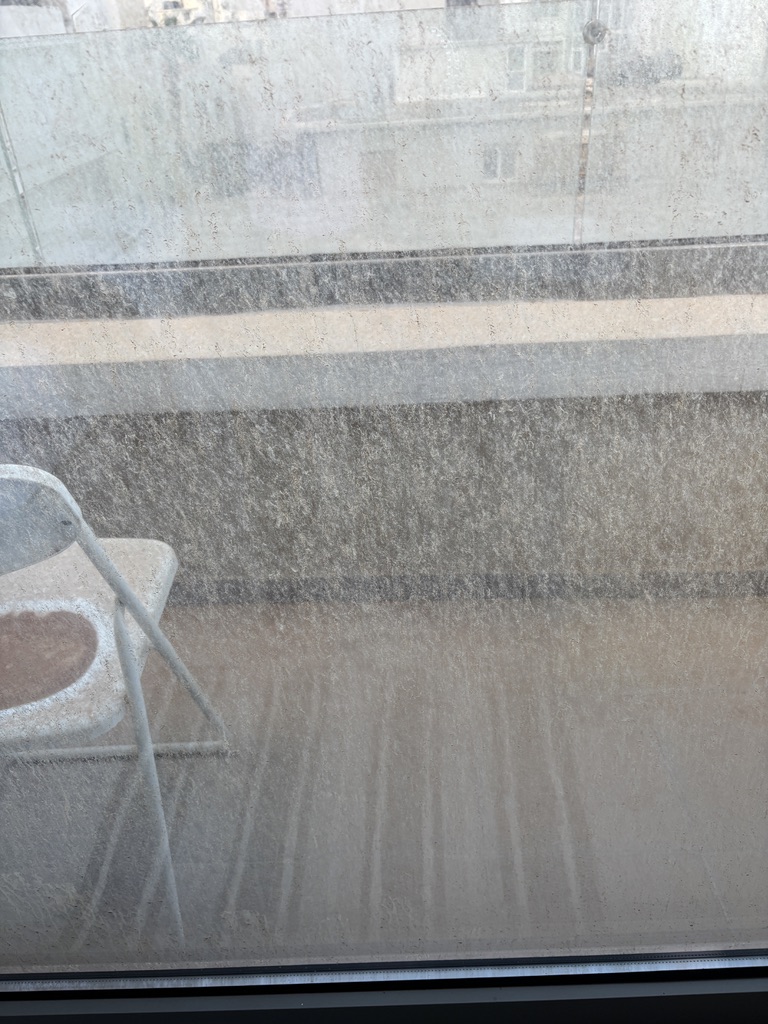
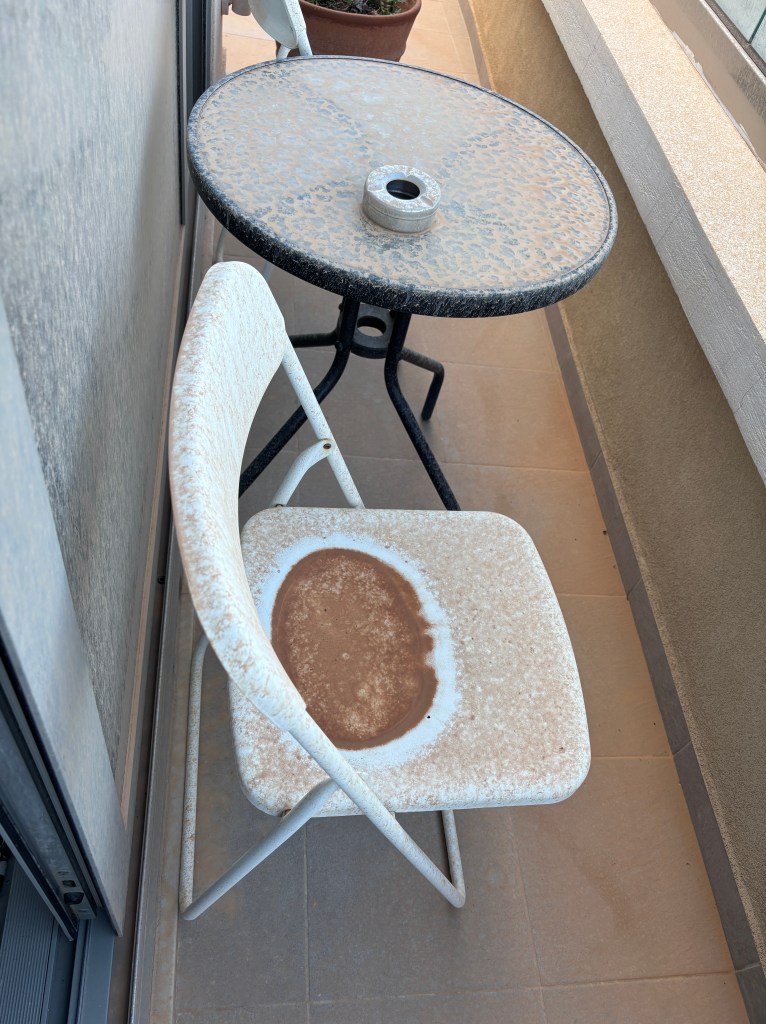
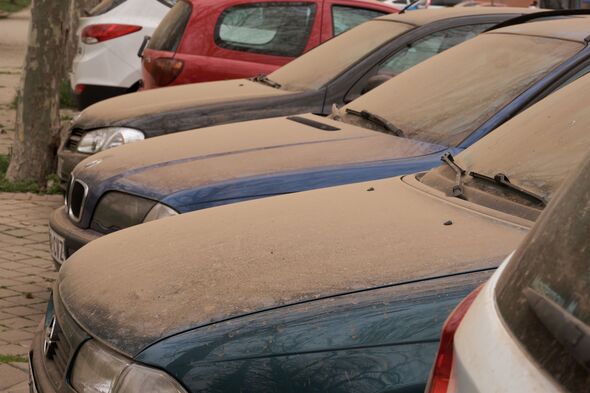
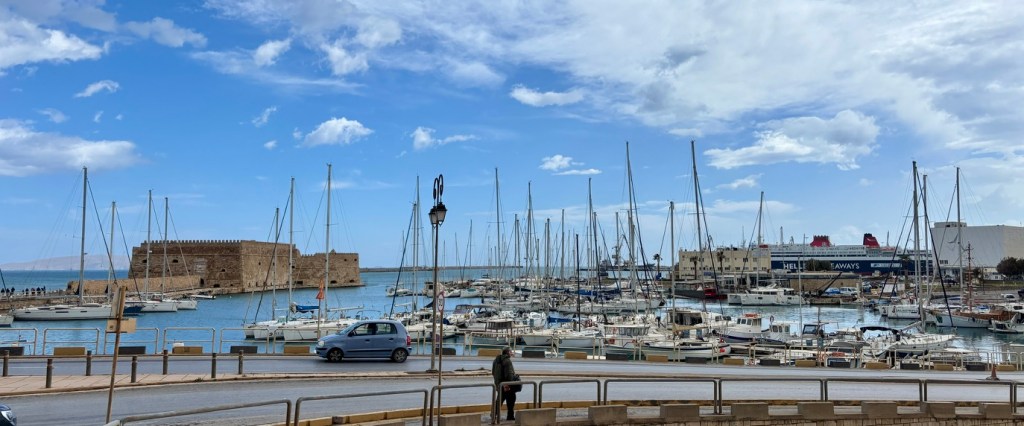
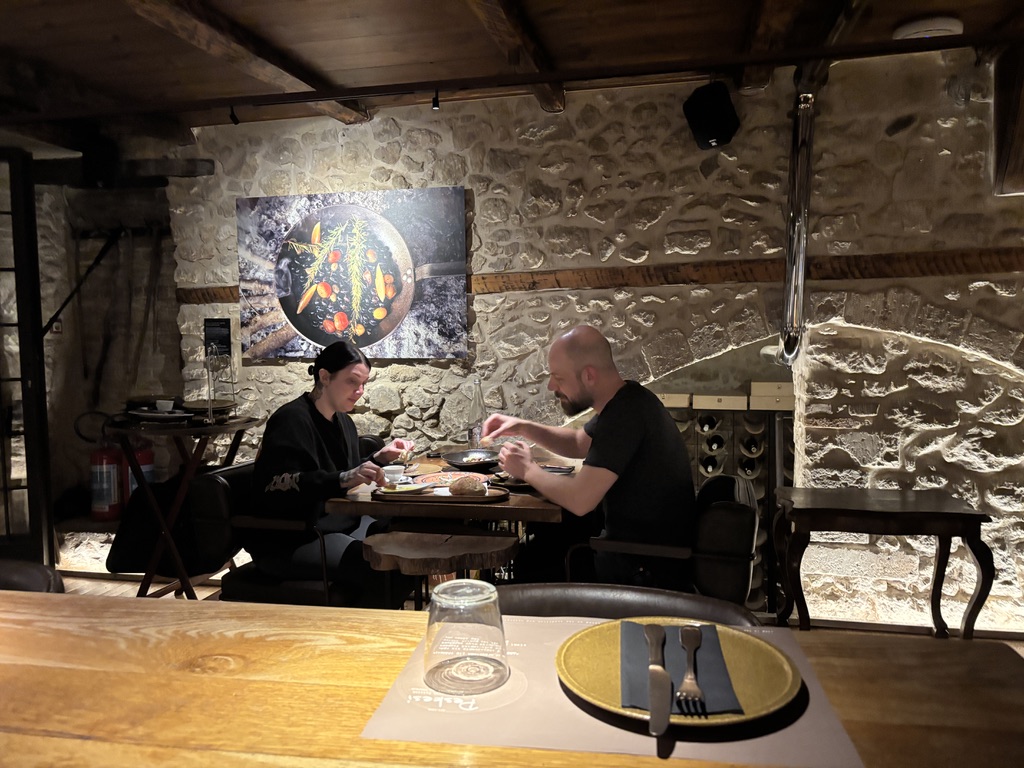
It blew away like it had never happened, and the next day, my last day, the sun once again shone brightly. I walked down to the waterfront to see the Venetian fortress and marina, and ended my day with a delicious farm-to-table dinner at the highly-recommended Peskesi.
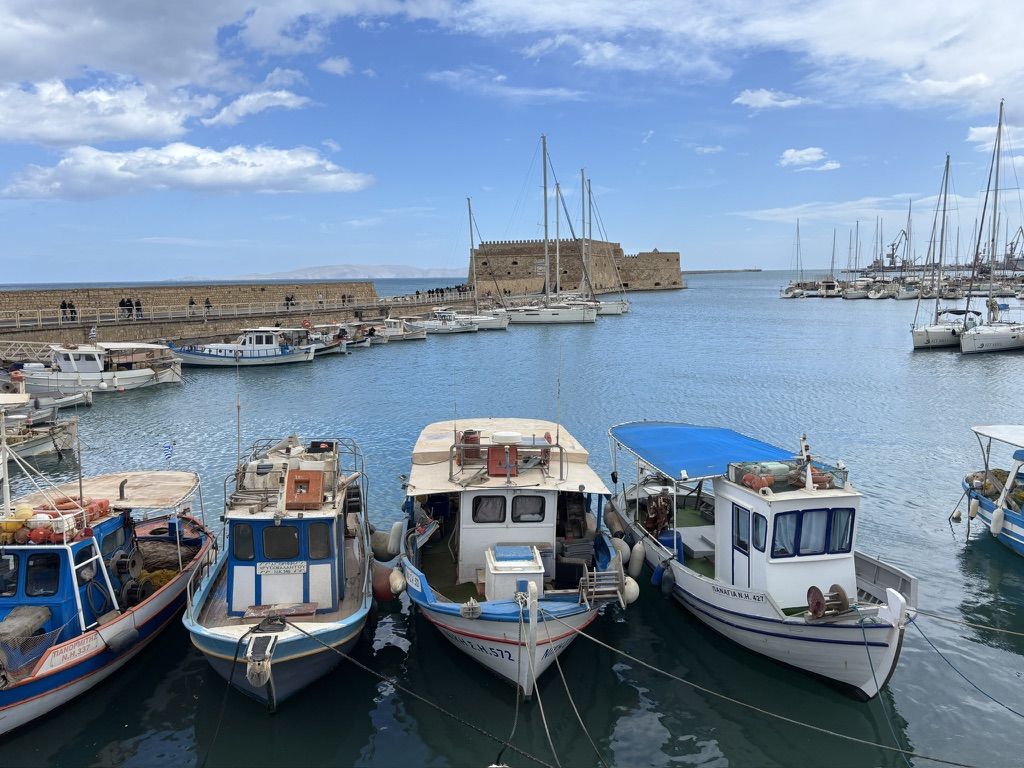
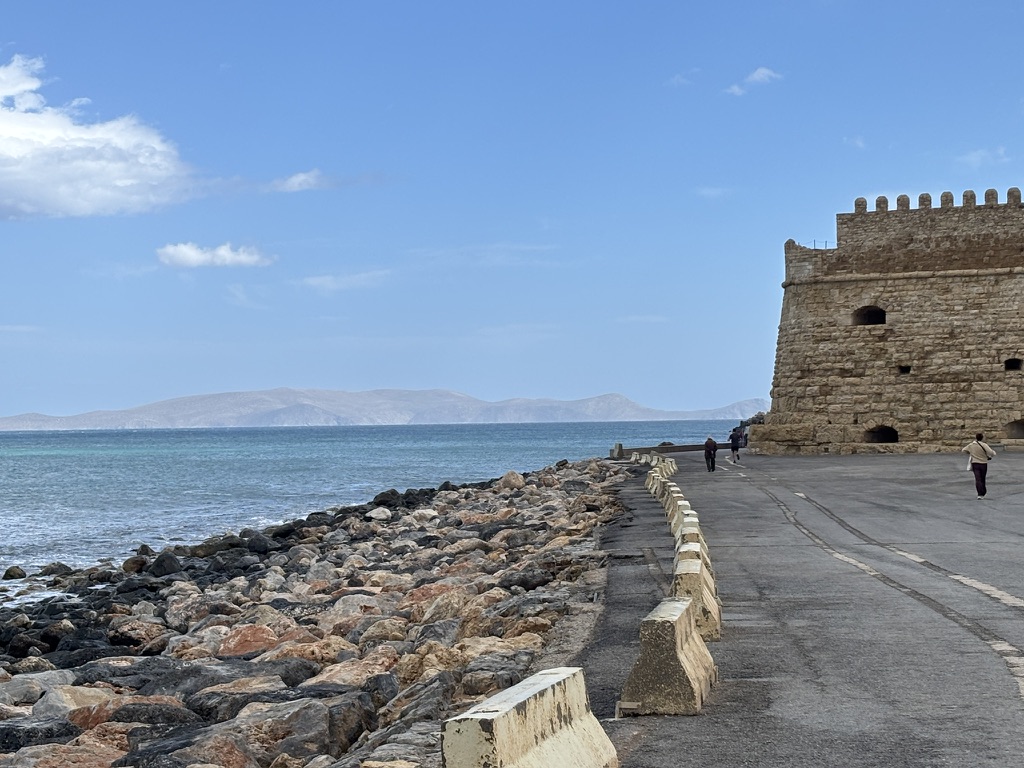
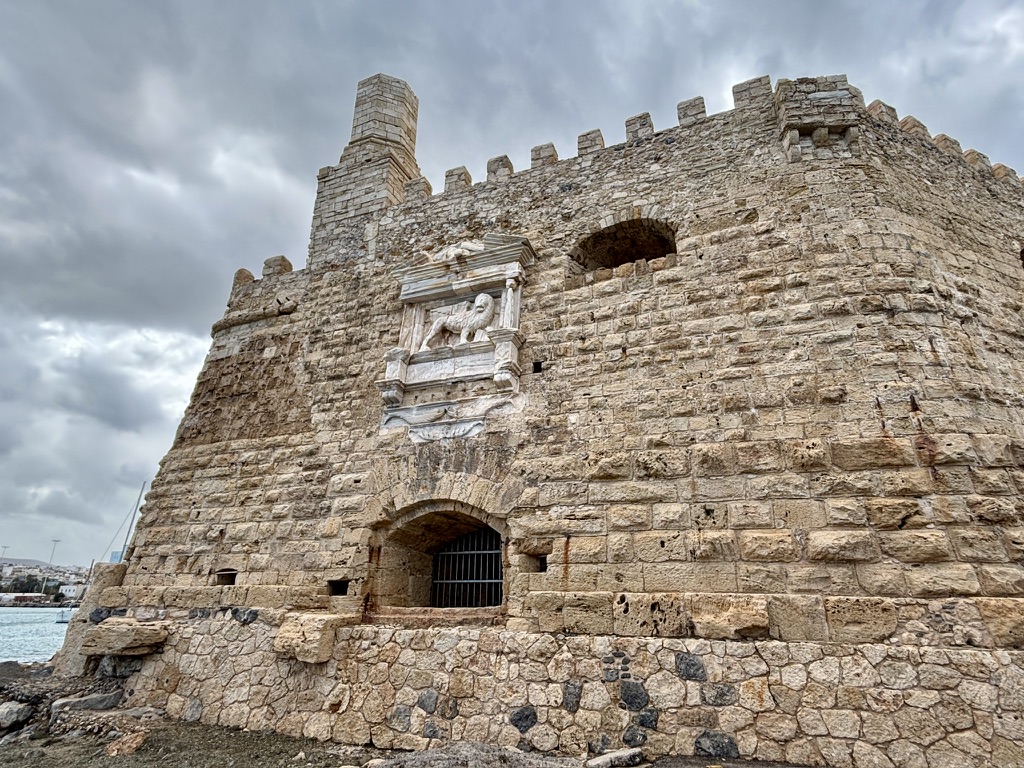
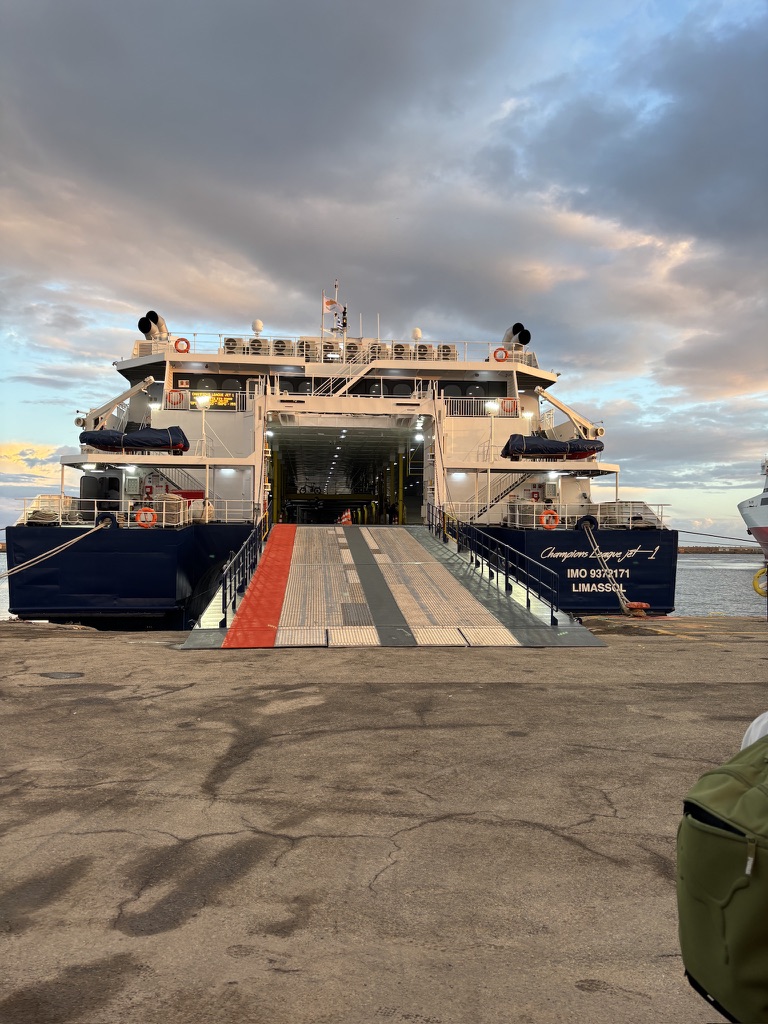
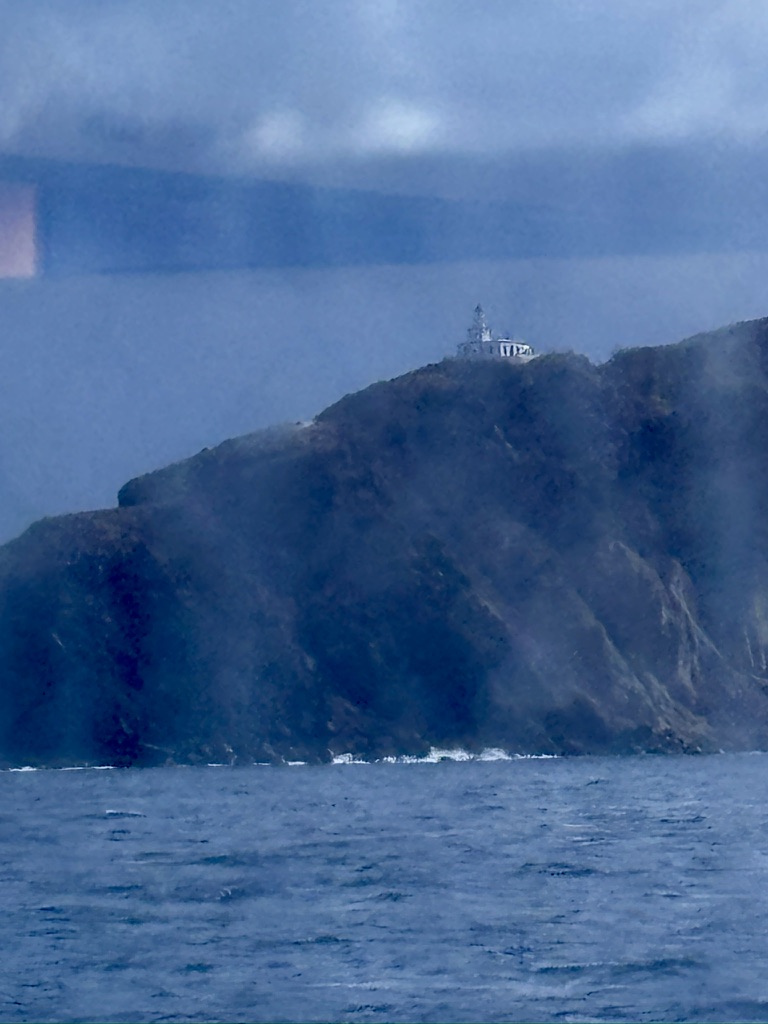
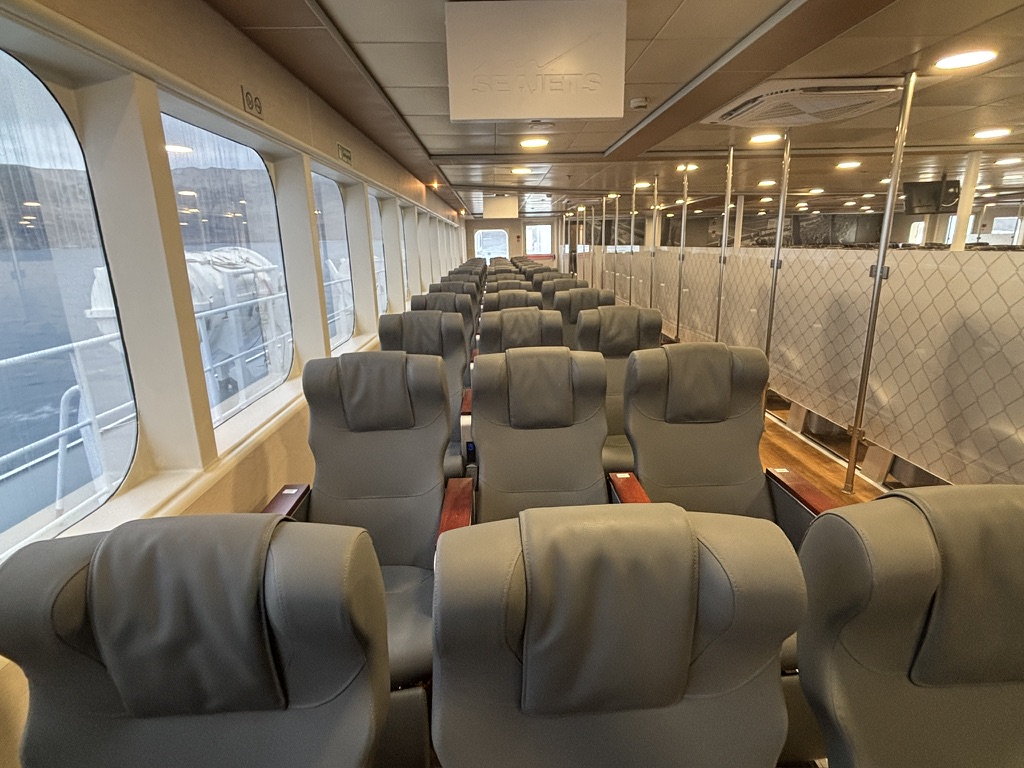
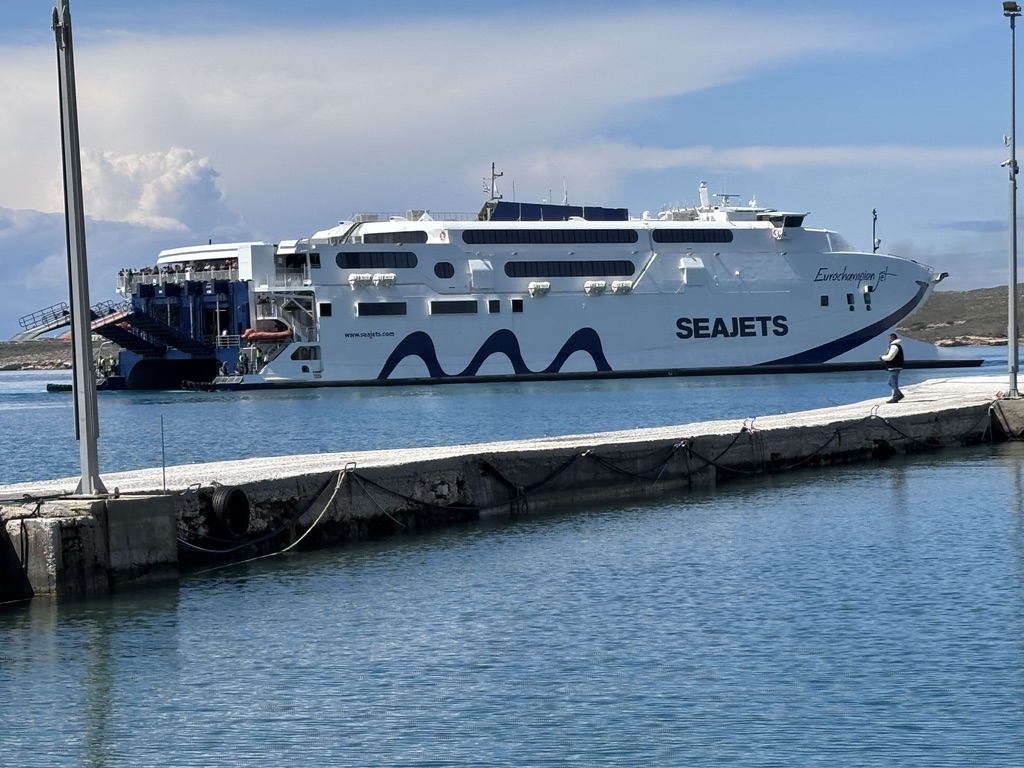
The next morning it was time to board the SeaJet to take me on a 3 1/2 hour ride on a bumpy sea to the island of Paros. But this large catamaran with its huge stabilizers that ferries not only passengers, but cargo, cars, and big trucks, made the journey delightful. Though rainy and cloudy while passing by the Santorini lighthouse, when we arrived in Paros, the sun had once again made its appearance.
PAROS
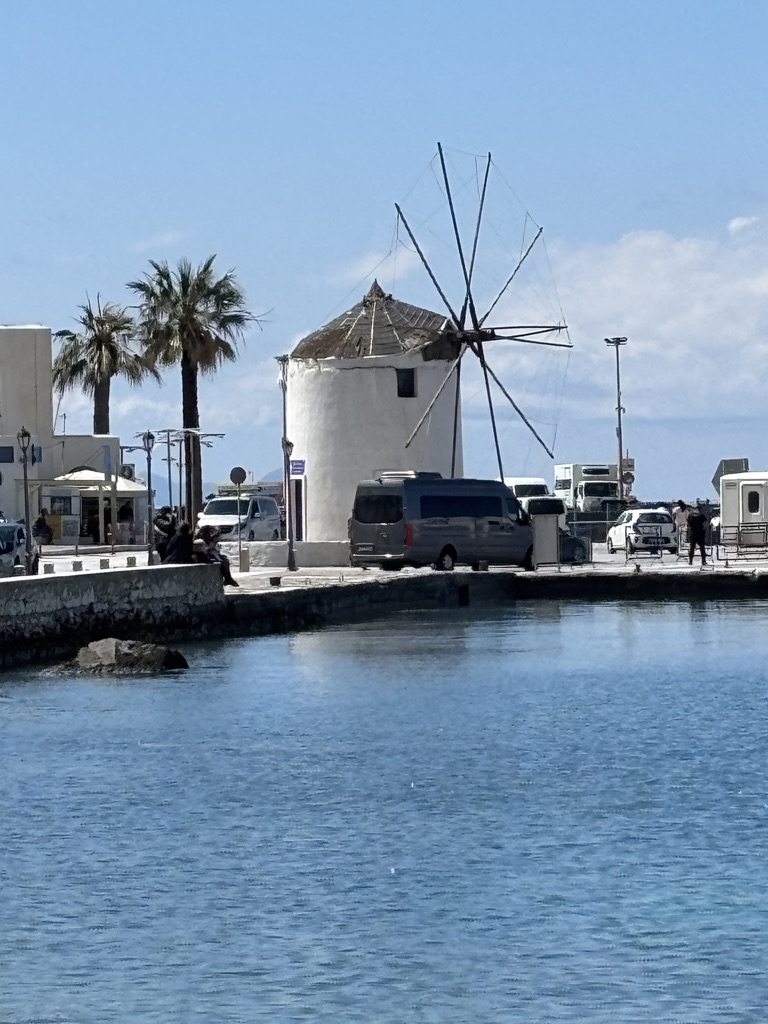
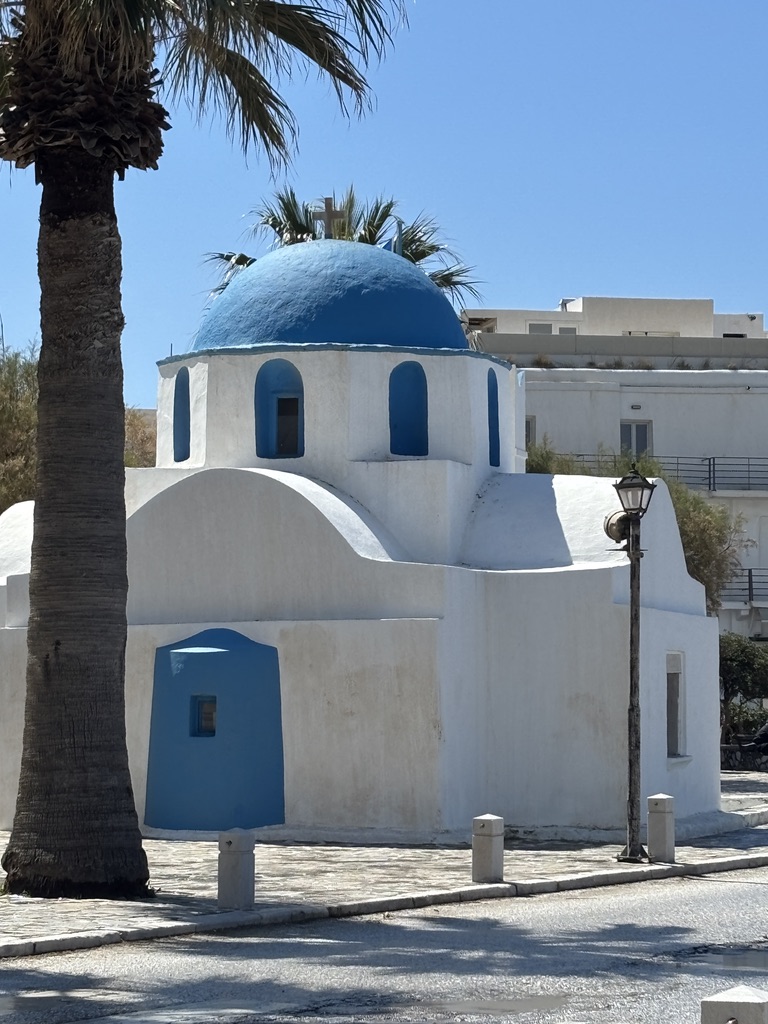
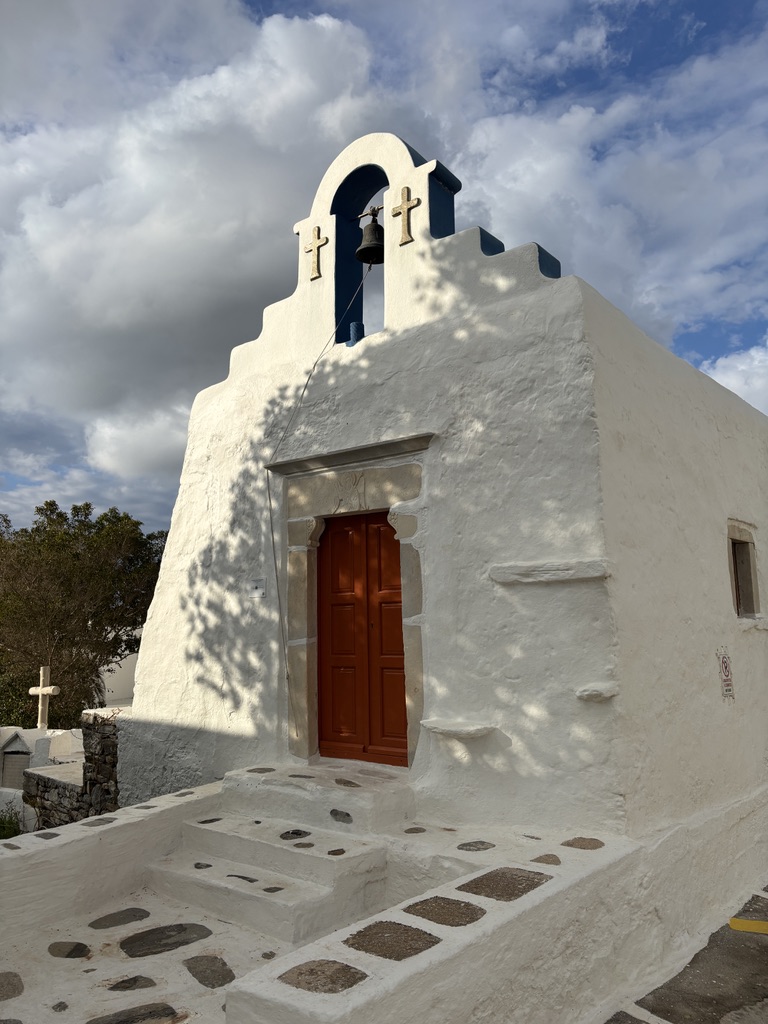
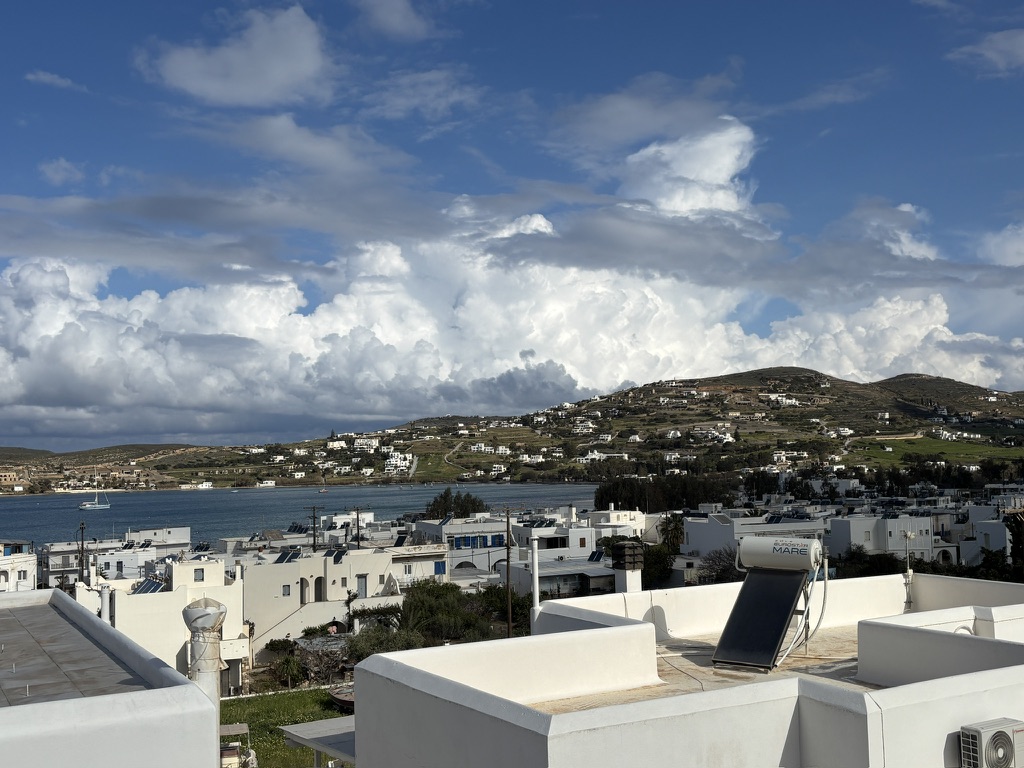
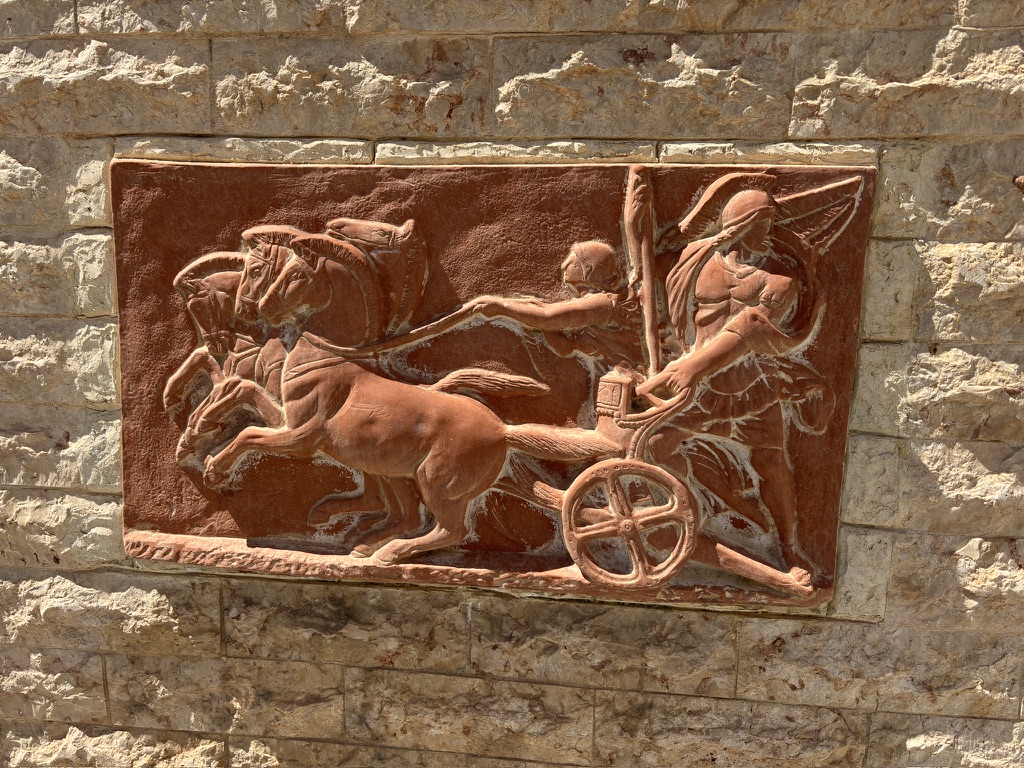
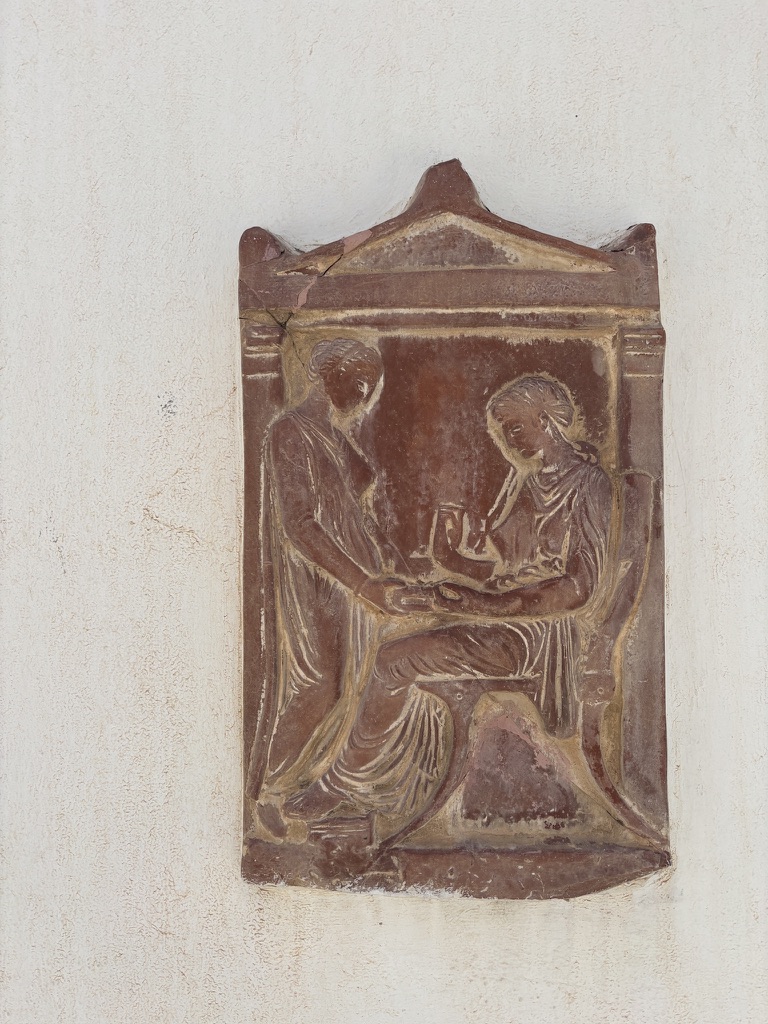
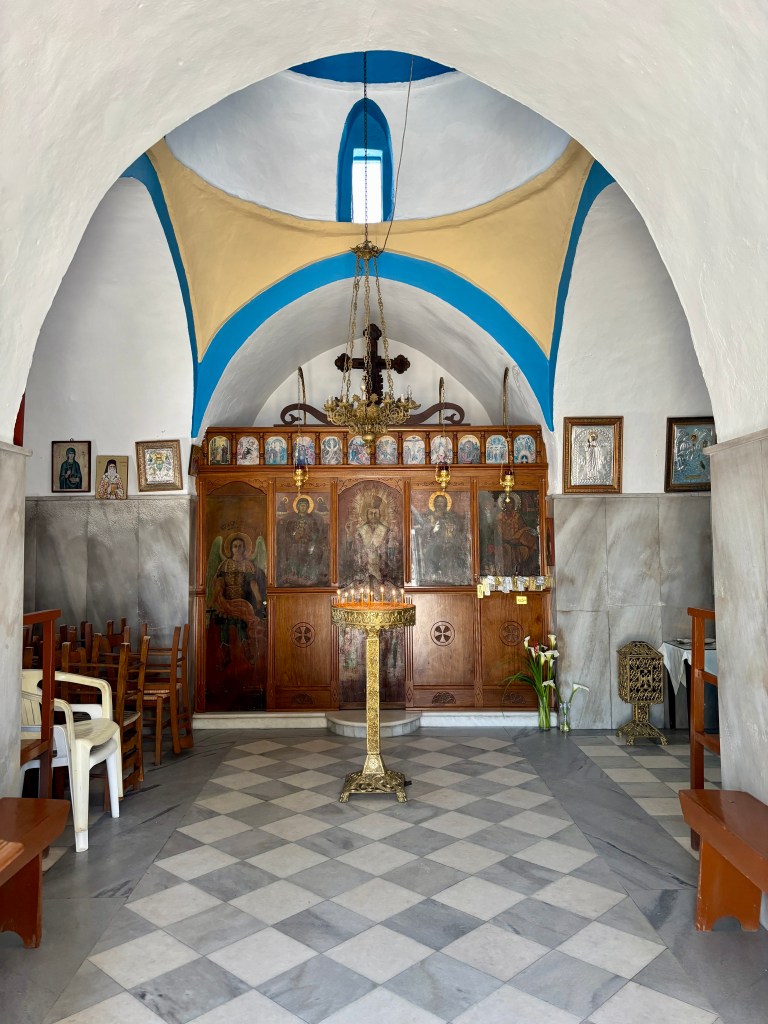
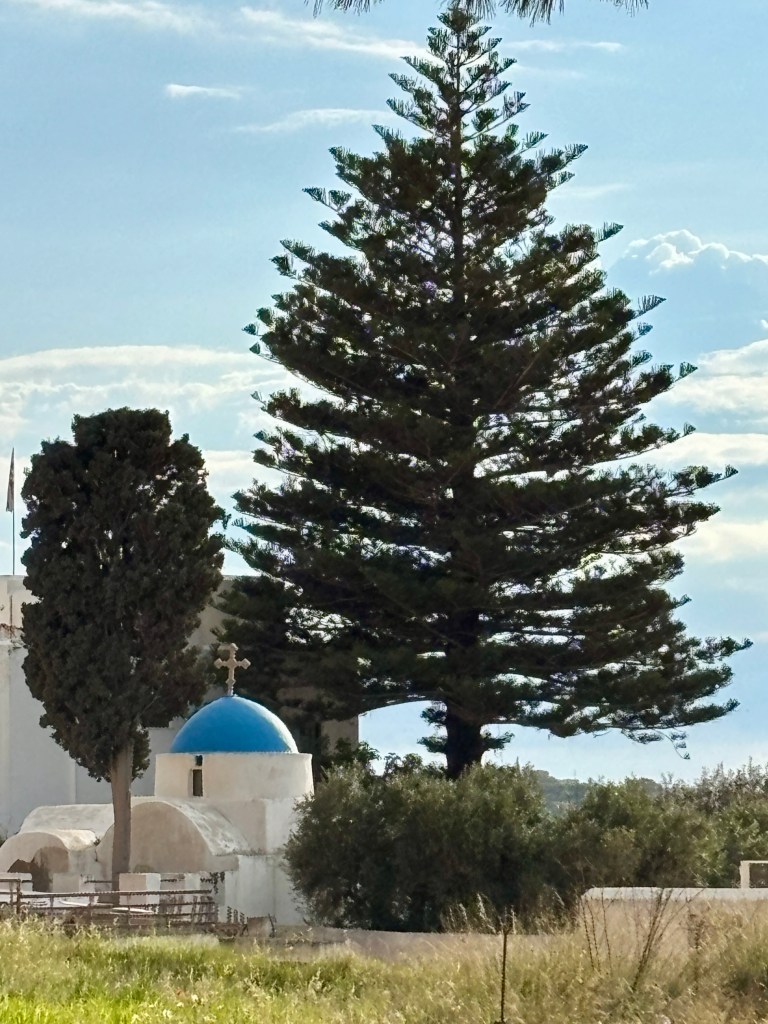
Located in the Cyclades Islands, Paros is one of the smaller islands. I wanted to have a few days of ‘island time’ before heading to the mainland, and Paros seemed like a good choice.
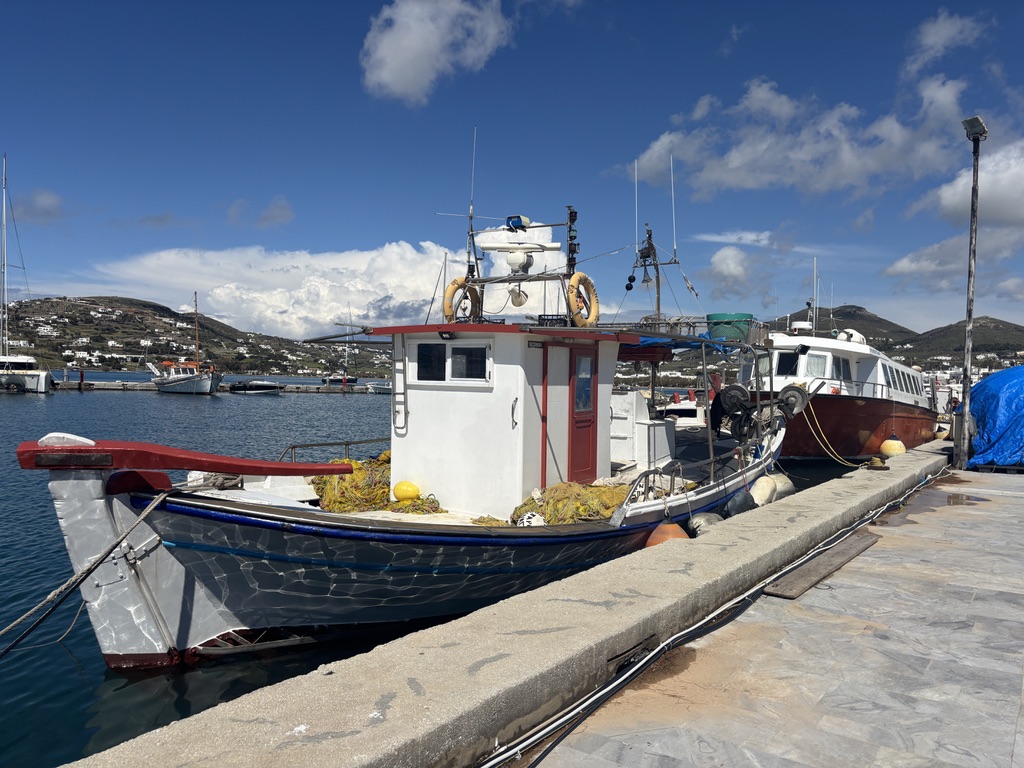
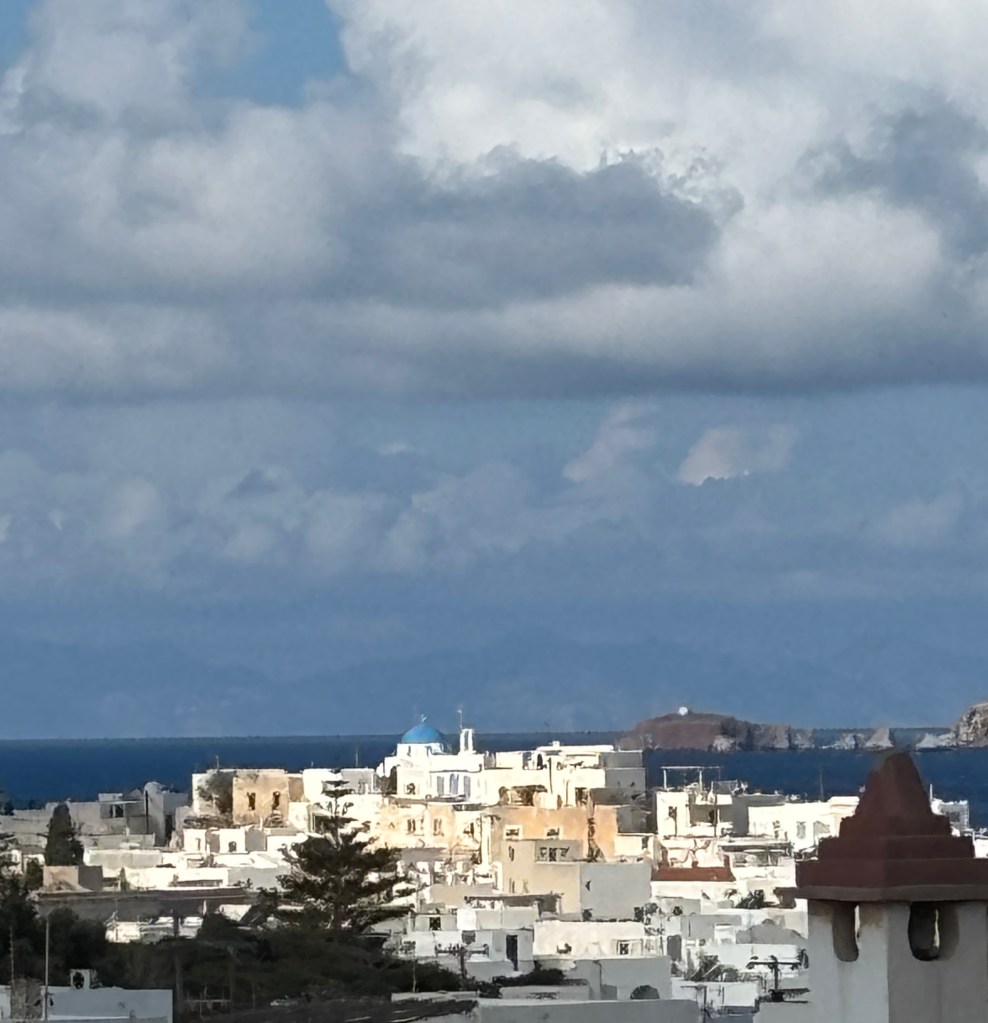
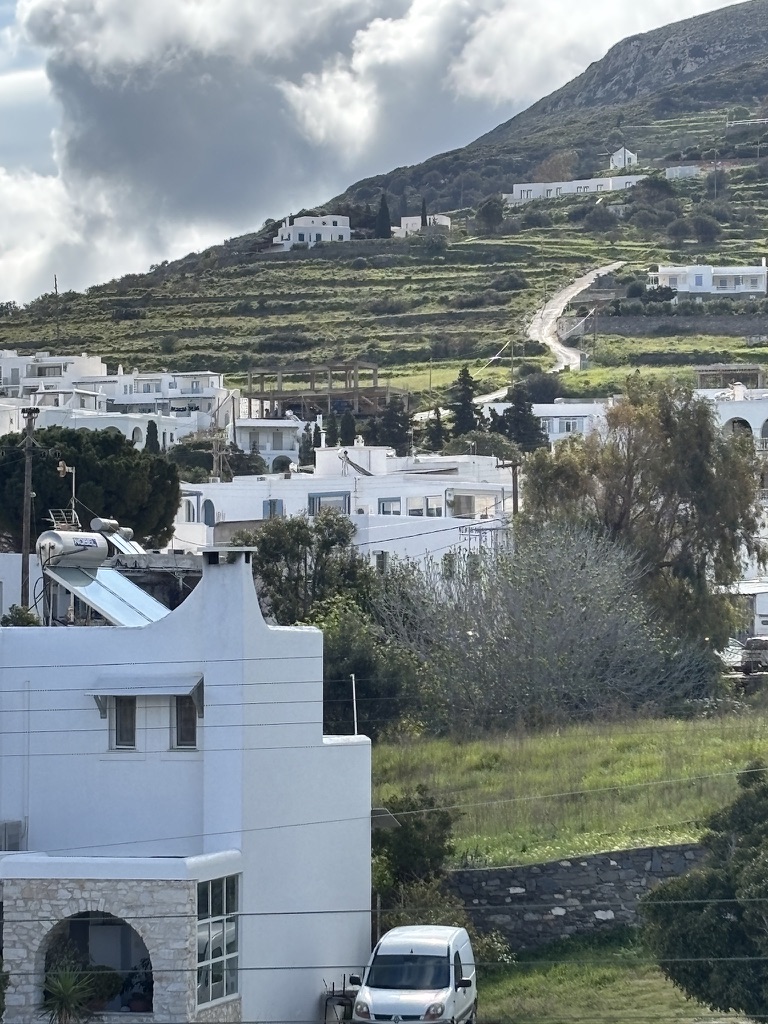
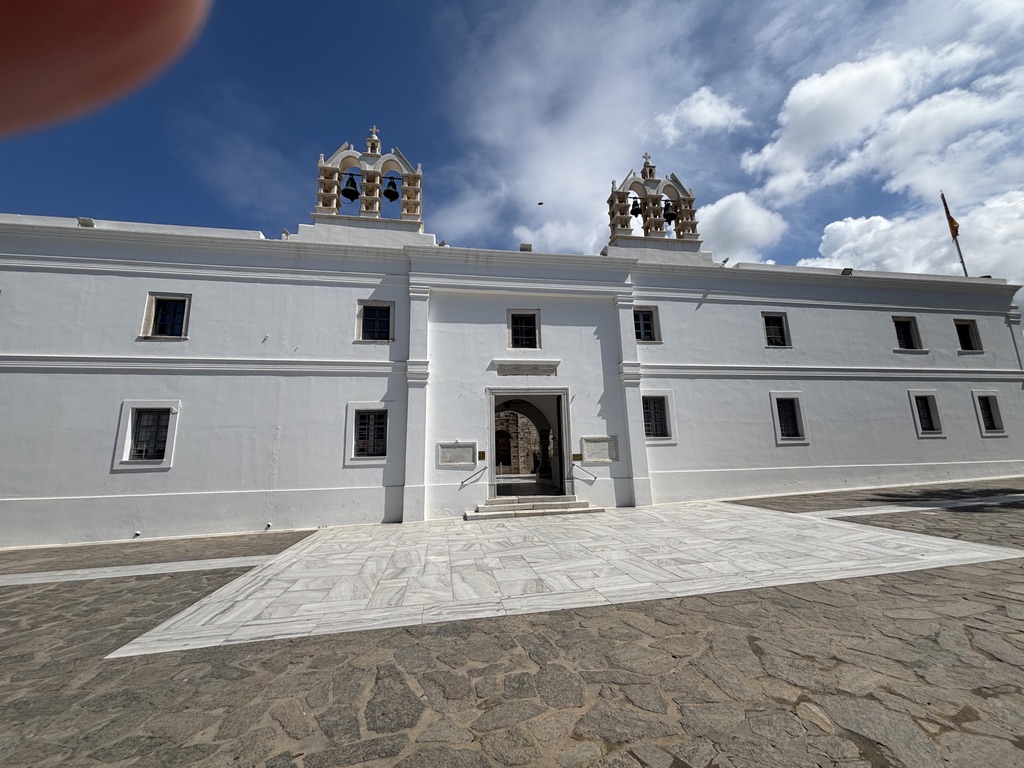
It has the typical white & blue color-scheme that shouts YOU’RE ON A GREEK ISLAND. Small tavernas crowd the waterfront, ships and boats of every size fill the marina, and life is on Greek time – which I compare to Mexican time – slow and easy. Those who work start at 9:00 or 10:00. They leave at 2:00, return at 5:00, and work until closing at 9;00 or 10:00. Then they go out to dinner!
I had a wonderful landlady at the very comfortable
Moschoula Studios, whose name was Moschoula. She went out of her way to make sure my short stay was perfect. She even drove me to the ferry dock on the day I left.
Without a car, I am limited to exploring on foot, and the main Old Town was an easy walk along the waterfront. Again, I found it difficult to find even restaurants open on this small island. Thankfully, I had a large grocery store across the street and a great kitchen in which to cook. Greek Easter was less than a week away, and I was told that once this major holiday was over, life would go into full swing everywhere in Greece. I hope so, as life is just a wee bit slow.
My next stop – The Peloponnese.
Until next time…….



As always love reading about your worldly adventures. Take care and look forward to connecting when technology allows.Sent from my iPhone 415-265-8023
LikeLike